
Dry Type Transformer
Upgrade your facility’s power infrastructure with Deaton premium line of dry type transformer. Engineered for environments where safety and environmental compliance are non-negotiable, our transformers offer a reliable, fire-resistant solution for commercial buildings, hospitals, and industrial plants.
We utilize advanced Cast Resin and Vacuum Pressure Impregnated technologies, which ensures high short-circuit strength, superior moisture resistance, and a long operational lifespan.
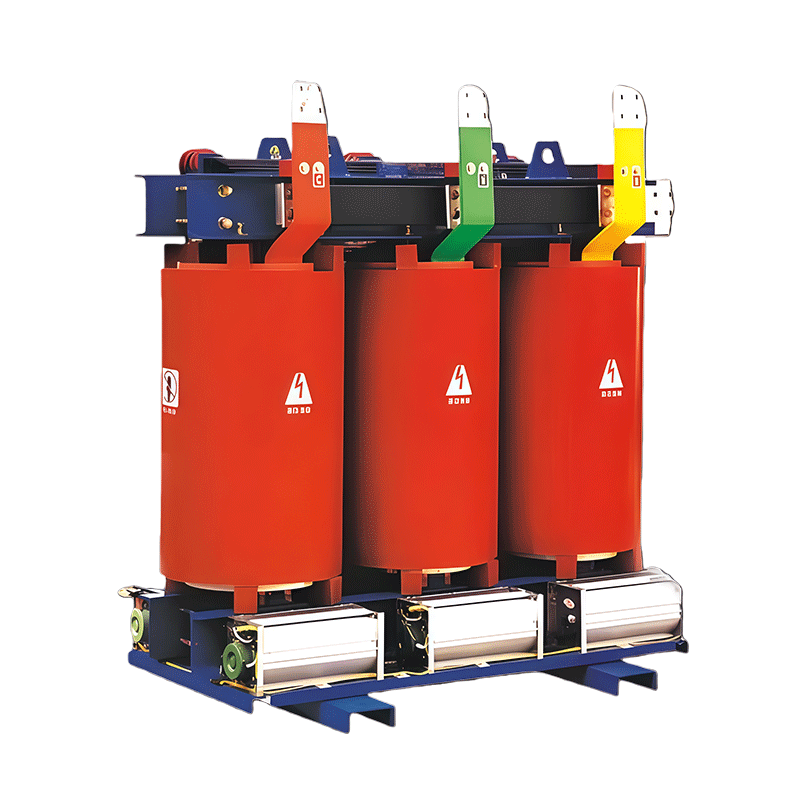
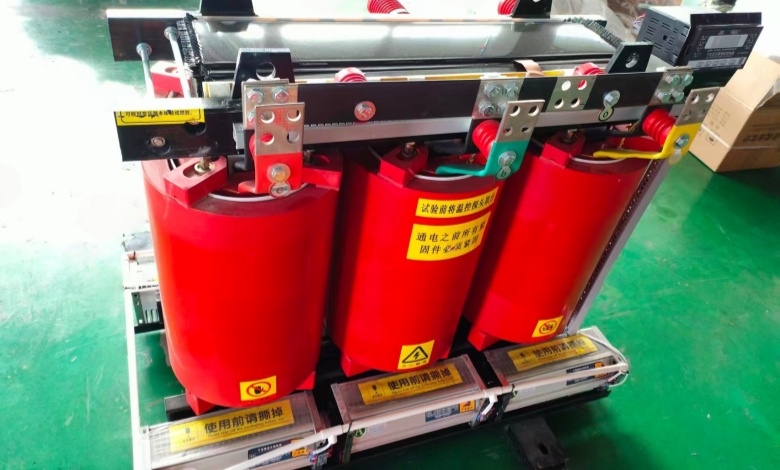
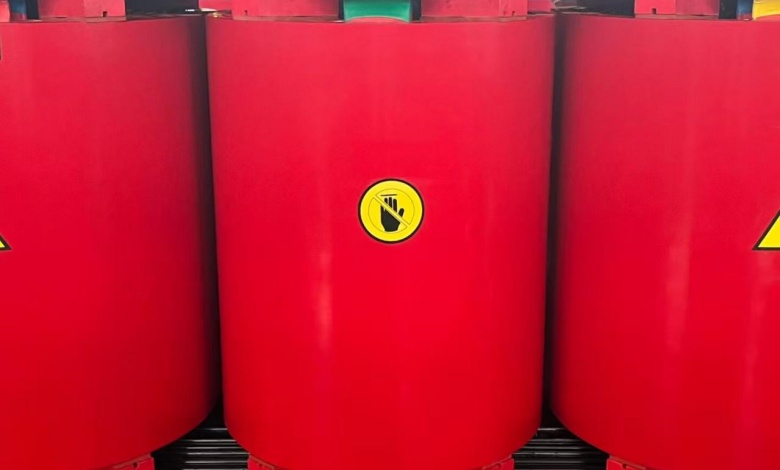

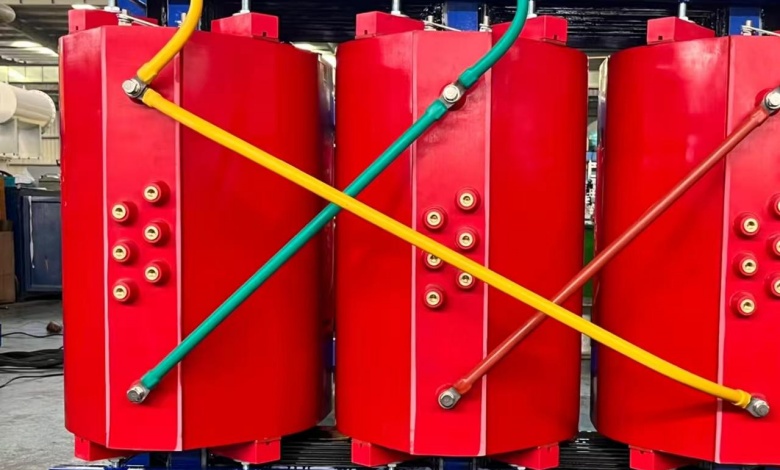

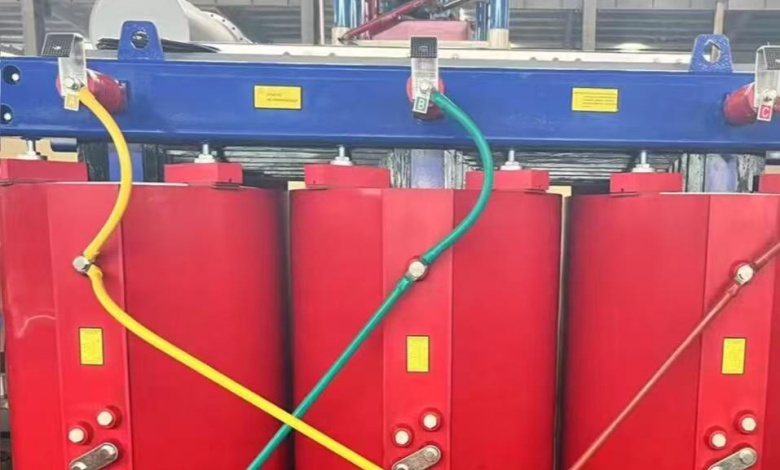
Using advanced epoxy resin insulation and high-conductivity copper windings, our transformers eliminate the risk of oil leakage, offering superior fire resistance and environmental friendliness.
With an insulation breakdown field strength of 18–22kV/mm and rigid cast windings, our dry type transformers boast exceptional short-circuit resistance and mechanical stability, ensuring long-term trouble-free operation. Our dry type transformers feature low energy loss (<0.5% load loss) and ultra-quiet performance (≤55dB), paired with intelligent temperature control systems for optimized energy efficiency.
Ideal for space-constrained or high-safety environments, these transformers are widely used in commercial buildings, data centers, hospitals, subway systems, airports, and renewable energy projects. They adapt to 100% humidity and harsh conditions, with flexible installation options to fit underground distribution room or high-rise facilities.
Dry Type Transformer Specifications
| Rated capacity (KVA) | Voltage combination and tap range | Connection Group Symbol | No-load Loss (W) | Load Loss (W) | No-load Current (%) | Short Circuit Impedance (%) | ||
| High voltage (KV) | Tap Range | Low voltage(KV) | ||||||
| 30 | 11 10.5 10 6.6 6.3 6 | ±5 ±2×2.5% | 0.4 | Yyn0 Dyn11 | 190 | 710 | 2.1 | 4 |
| 50 | 270 | 1000 | 2.1 | 4 | ||||
| 80 | 370 | 1380 | 1.6 | 4 | ||||
| 100 | 400 | 1570 | 1.6 | 4 | ||||
| 125 | 470 | 1850 | 1.5 | 4 | ||||
| 160 | 540 | 2130 | 1.5 | 4 | ||||
| 200 | 620 | 2530 | 1.3 | 4 | ||||
| 250 | 720 | 2760 | 1.3 | 4 | ||||
| 315 | 880 | 3470 | 1.1 | 4 | ||||
| 400 | 980 | 3990 | 1.1 | 4 | ||||
| 500 | 1160 | 4880 | 1.1 | 4 | ||||
| 630 | 1340 | 5880 | 0.9 | 4 | ||||
| 630 | 1300 | 5960 | 0.9 | 6 | ||||
| 800 | 1520 | 5960 | 0.9 | 6 | ||||
| 1000 | 1770 | 8130 | 0.9 | 6 | ||||
| 1250 | 2090 | 9690 | 0.9 | 6 | ||||
| 1600 | 2450 | 11730 | 0.9 | 6 | ||||
| 2000 | 3050 | 14450 | 0.9 | 6 | ||||
| 2500 | 3600 | 17170 | 0.7 | 6 | ||||
Why Choose Deaton Dry Type Transformer?
Choosing Deaton dry type transformer means opting for a reliable, safe, and cost-effective power solution tailored to diverse high-demand scenarios, whether for indoor commercial centers or critical industrial plants.
Our solution offers a perfect synergy of reliability and economic value, specifically engineered to handle complex load profiles.
Our dry type transformers adopt advanced epoxy resin casting technology, which features self-extinguishing and flame-retardant properties. Perfectly suited for fire-sensitive and densely populated areas such as hospitals, data centers, and subway systems.
The windings are made of high-conductivity copper, and the iron core uses high-quality cold-rolled grain-oriented silicon steel sheets with 45-degree full miter joints, which minimizes no-load loss and improves energy conversion efficiency.
These transformers can operate stably even in high-humidity and dusty harsh environments. They support both natural air cooling and forced air cooling; the latter can increase the operating capacity when necessary.
Global Cases
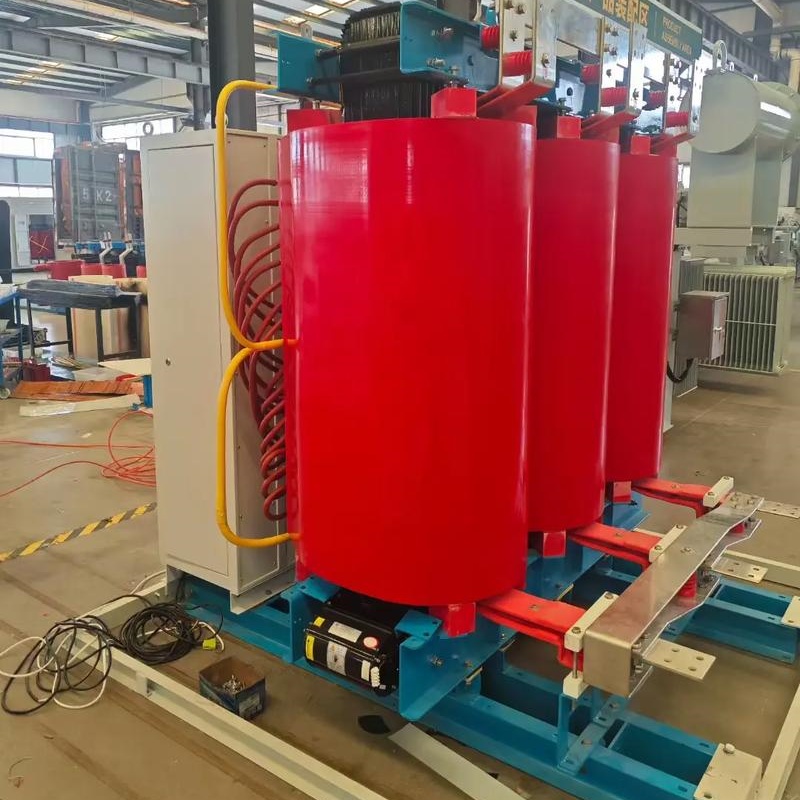
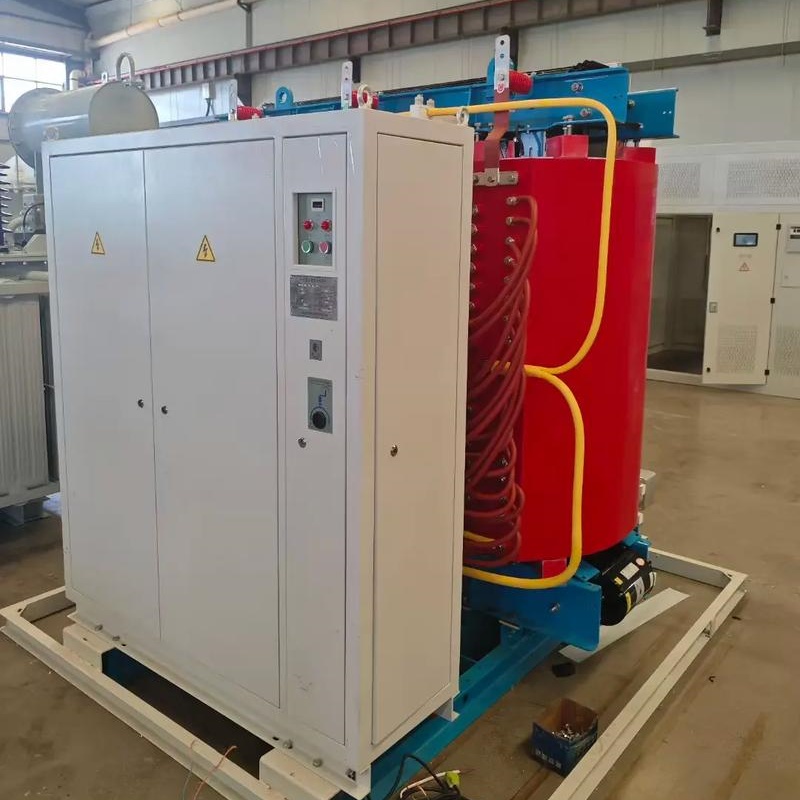
Dry Type Transformer to Chile
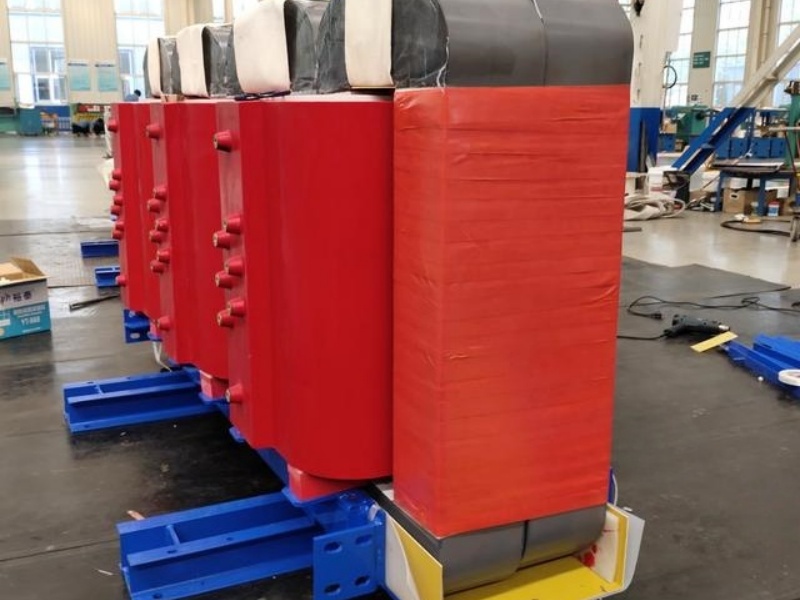
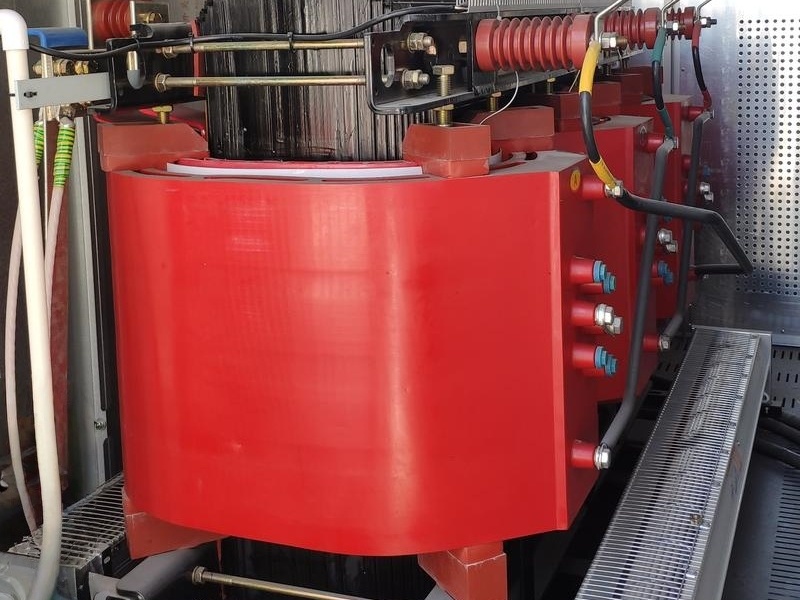
Deaton recently reinforced our global footprint by successfully delivering a specialized Cast Resin Dry-Type Transformer to a major industrial client in Chile.
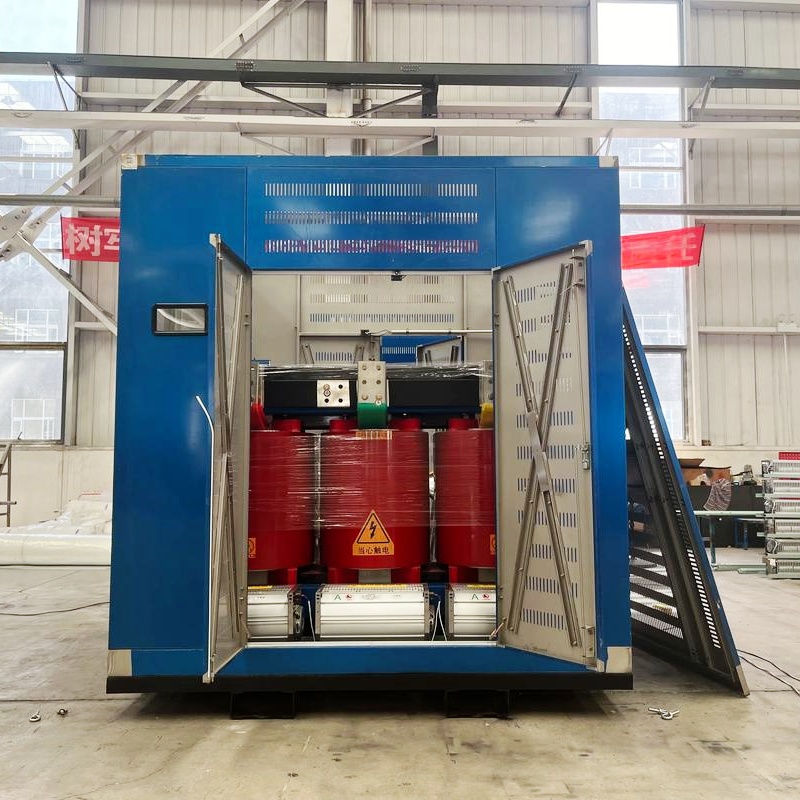
This unit is distinguished by its fully integrated, side-mounted control cabinet, which was pre-wired in our factory to drastically reduce on-site installation time and labor costs. Furthermore, the inclusion of a high-capacity forced-air cooling system at the base ensures the transformer handles peak load cycles with superior thermal stability.
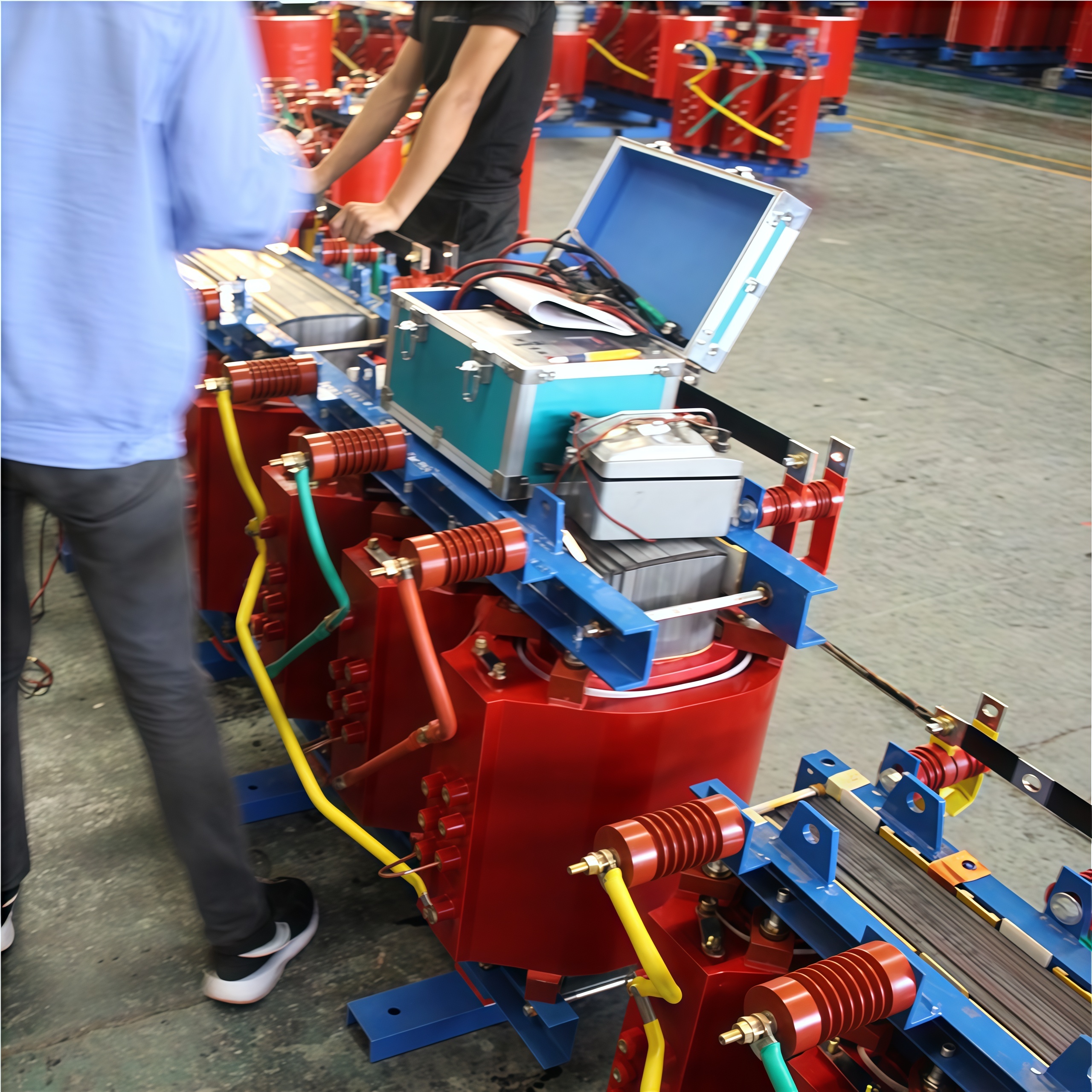
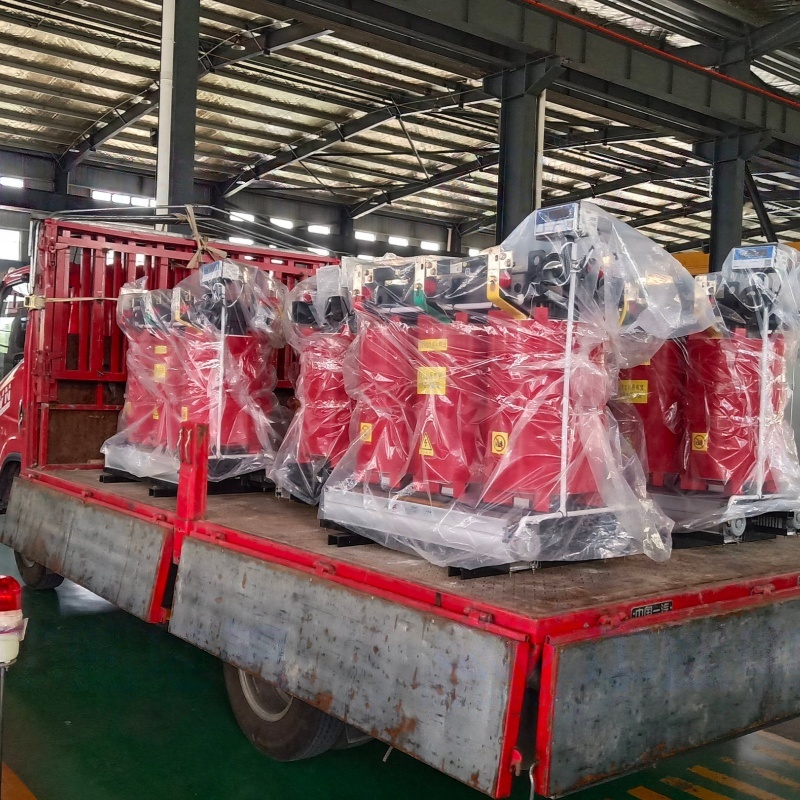
Dry Type Transformers to the Philippines
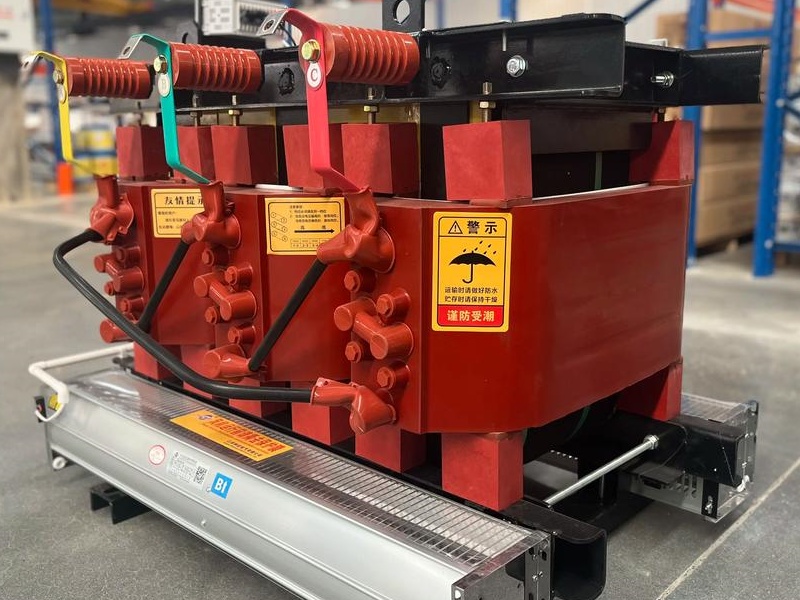
Deaton has successfully manufactured and delivered a new fleet of cast resin dry-type transformers to the Philippines.
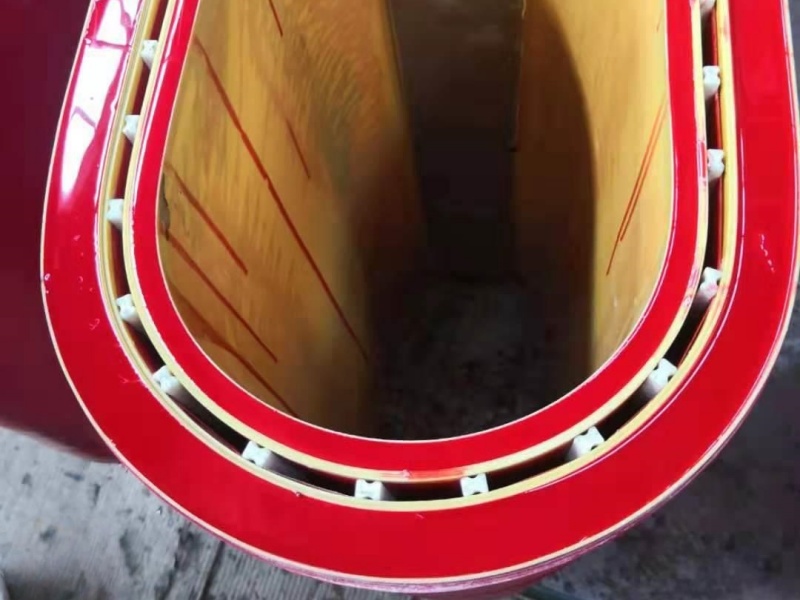
Understanding the unique challenges of the Philippine climate, specifically the high heat and humidity, our engineering team utilized premium epoxy resin vacuum-casting technology. This ensures the coils are completely sealed against moisture ingress and capable of withstanding significant thermal stress.
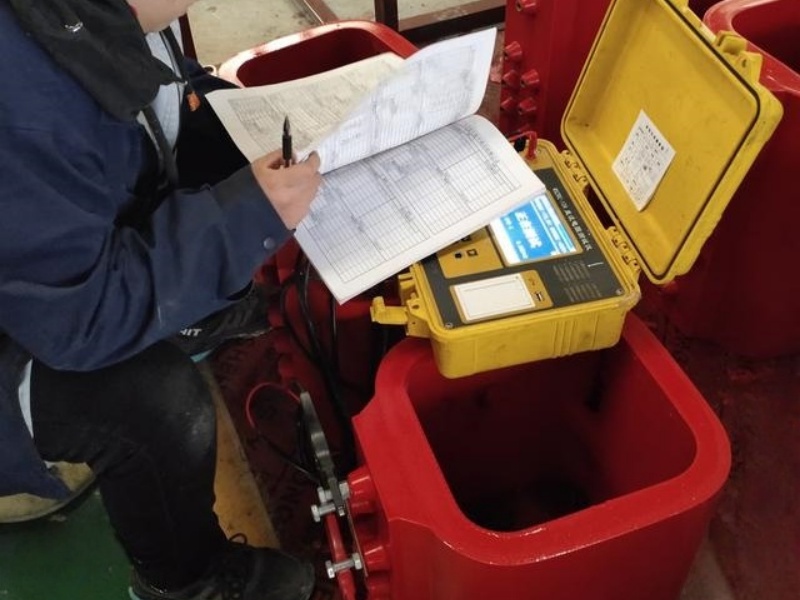
During the rigorous pre-shipment phase, every unit was subjected to comprehensive electrical testing—including partial discharge and high-voltage withstand tests—to guarantee immediate reliability upon arrival.
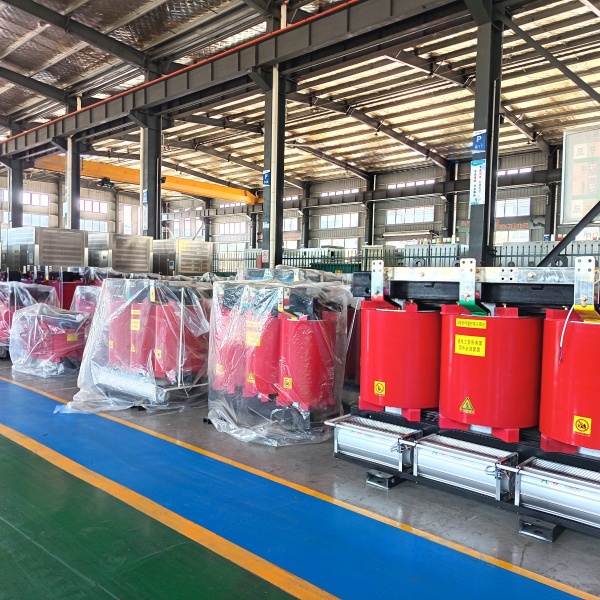
Dry Type Transformers to Uganda
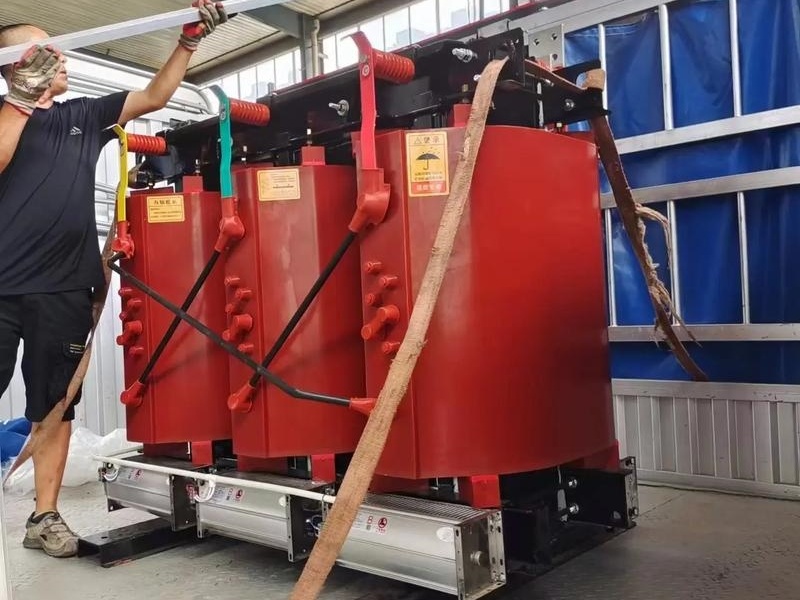
We continues to expand our footprint in the African energy sector with the successful manufacturing and delivery of high-performance Dry-Type Transformers to a key infrastructure project in Uganda.
These cast resin units were engineered to provide maximum fire safety and moisture resistance, making them the ideal choice for indoor installations where environmental compliance is critical.
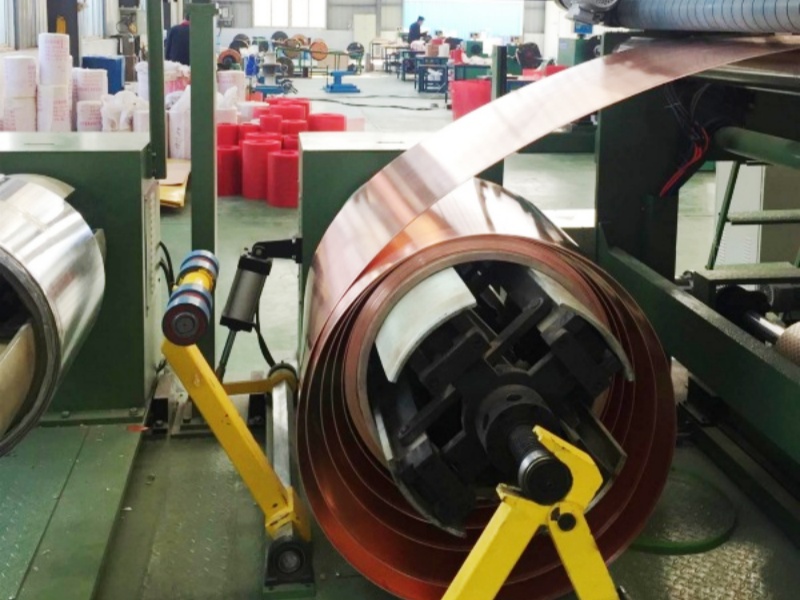
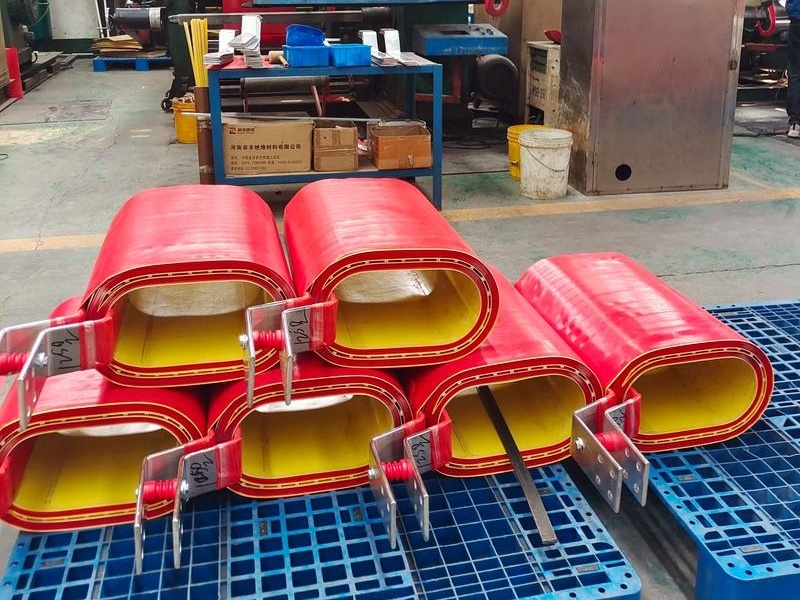
To meet the specific safety requirements of the client, select units were integrated into custom-fabricated, heavy-duty metal enclosures. These robust blue housings provide essential protection against dust and accidental contact while allowing for efficient thermal management via the high-capacity forced cooling fans installed at the base.
What Is A Dry Type Transformer?
A dry type transformer is a type of electrical transformer where the windings and iron core are insulated with non-flammable, air-cooled materials (e.g., epoxy resin) instead of liquid insulation. Its core design eliminates the need for oil as a cooling or insulating medium, relying on natural air convection or forced air cooling to dissipate heat during operation.
Key Characteristics:
Insulation & Cooling: Windings are typically cast in epoxy resin (epoxy-cast dry type) or wrapped in vacuum-impregnated insulation materials, ensuring fire resistance and zero risk of oil leakage. Solid materials (epoxy resin) separate windings from the core and each other, preventing short circuits. Epoxy-cast windings also enhance mechanical strength and resistance to dust/moisture.
Safety & Environmental Friendliness: Non-flammable, non-toxic, and pollution-free—no risk of oil spills contaminating soil/water or causing fires, making it ideal for indoor, densely populated, or fire-sensitive areas.
Dry Type Transformer Core Component Basics
Iron Core: Typically made of stacked high-quality cold-rolled silicon steel sheets (to minimize eddy current losses). It provides a low-resistance magnetic path for flux.
Primary Winding: Connected to the input power source (e.g., high-voltage grid). The number of turns determines the input voltage compatibility.
Secondary Winding: Connected to the load (e.g., equipment, distribution systems). Its turn count dictates the output voltage (stepped-up or stepped-down).
Solid Insulation: Windings are coated/wrapped in fire-resistant materials like epoxy resin or glass fiber (no oil, eliminating leakage risks).
Cooling System: Relies on natural air convection (AN) or forced air cooling (AF, via fans) to dissipate heat from the core and windings.
Advantages Of Dry Type Transformers Compared With Oil Immersed Transformers
Dry type transformers offer distinct advantages over oil-immersed transformers, especially in safety-critical, indoor, or environmentally sensitive scenarios. Below is a detailed comparison of their core advantages, aligned with industrial application needs and global standards:
1. Superior Safety & Fire Resistance
The most critical advantage of dry type transformers lies in their oil-free design. Unlike oil-immersed transformers, which use flammable mineral oil as insulation and cooling medium (posing fire and explosion risks if leaked), dry type transformers rely on solid insulation materials (e.g., epoxy resin) that are self-extinguishing and flame-retardant. This eliminates the risk of oil spills, combustion, or toxic fume emission—making them ideal for indoor spaces (data centers, hospitals, high-rises), densely populated areas, or hazardous environments (mines, chemical plants) where fire safety is non-negotiable. They also comply with strict safety standards like IEC 61558-2-2 and NFPA 99, requiring no additional fire suppression systems (e.g., oil pits, sprinklers) that add cost and space constraints.
2. Environmental Friendliness
Dry type transformers are inherently eco-friendly: they contain no toxic or pollutant materials (e.g., mineral oil, PCBs), so there is no risk of soil or water contamination from leaks. In contrast, oil-immersed transformers require regular oil testing, replacement, and proper disposal—adding environmental liability and operational hassle. Dry type models align with global sustainability goals (e.g., EU RoHS, LEED certifications) and are preferred for green building projects, renewable energy facilities, and regions with strict environmental regulations.
3. Low Maintenance & Lifecycle Cost Savings
Oil-immersed transformers demand ongoing maintenance: regular oil sampling, filtration, and replacement (every 3–5 years), as well as inspection of seals and cooling systems to prevent leaks. Dry type transformers, by contrast, are almost maintenance-free. Their solid insulation is resistant to dust, moisture, and aging, requiring only occasional cleaning (e.g., removing dust from windings) to maintain performance. This reduces long-term operational costs (maintenance labor, spare parts, oil disposal) and minimizes downtime—critical for industrial facilities and infrastructure requiring 24/7 reliability. Additionally, dry type transformers have a longer service life (20+ years) compared to oil-immersed models (15–20 years) when properly operated.
4. Compact Design & Flexible Installation
Dry type transformers are smaller and lighter than oil-immersed equivalents of the same capacity, thanks to their efficient air-cooling system and solid insulation. They do not require large oil storage tanks, oil pits, or dedicated ventilation rooms—saving valuable floor space in indoor substations, basements, or rooftop installations. Their compact size also simplifies transportation and installation (lower shipping costs, easier maneuvering in tight spaces) and supports flexible mounting options (floor-standing, wall-mounted, or rack-mounted). For space-constrained projects like urban high-rises, subway stations, or data centers, this is a game-changing advantage.
5. Low Noise Operation
Dry type transformers operate at ultra-low noise levels (≤55dB for standard models), significantly quieter than oil-immersed transformers (typically 60–70dB). The solid epoxy-cast windings and laminated iron core reduce vibration and acoustic resonance, making them suitable for noise-sensitive environments such as hospitals, offices, schools, and residential areas. This eliminates the need for additional soundproofing measures, further reducing project costs.
6. Adaptability to Harsh Environments
Modern dry type transformers (especially epoxy-cast models) offer high resistance to dust, moisture, and chemical corrosion, with protection ratings up to IP65. They can operate stably in high-humidity (100% RH), dusty, or corrosive industrial environments (e.g., factories, mines, coastal areas) without performance degradation. In contrast, oil-immersed transformers are vulnerable to moisture ingress (leading to oil degradation) and require sealed enclosures or climate-controlled rooms—adding complexity and cost.
7. Enhanced Operational Stability & Efficiency
Dry type transformers use high-quality materials (e.g., cold-rolled silicon steel cores, copper windings) and precision manufacturing processes, resulting in low energy losses (no-load loss ≤0.3%, load loss ≤0.5% for premium models). This improves energy efficiency and reduces electricity bills compared to older oil-immersed transformers (which may have higher losses). Additionally, their rigid winding structure enhances short-circuit resistance and mechanical stability, ensuring reliable operation even under voltage fluctuations or transient loads—critical for industrial automation and sensitive electronic equipment.
Summary of Key Advantages vs. Oil-Immersed Transformers
| Advantage Category | Dry Type Transformers | Oil-Immersed Transformers |
|---|---|---|
| Safety | Fire-resistant, no explosion/leak risks | Flammable oil, fire/leak hazards |
| Environmental Impact | Eco-friendly, no toxic materials | Risk of oil pollution, requires proper disposal |
| Maintenance | Minimal (occasional cleaning) | High (oil testing/replacement, seal inspections) |
| Size & Installation | Compact, flexible mounting, space-saving | Bulky, requires oil pits/ventilation |
| Noise Level | Ultra-low (≤55dB) | Higher (60–70dB) |
| Environmental Adaptability | Dust/moisture/corrosion-resistant (IP65) | Vulnerable to moisture, needs climate control |
| Efficiency | Low energy losses, high efficiency | Higher losses (especially older models) |
In conclusion, dry type transformers are the preferred choice for indoor, safety-critical, space-constrained, or eco-friendly projects—delivering superior safety, lower lifecycle costs, and greater flexibility than oil-immersed transformers. For industries such as data centers, healthcare, transportation, and industrial manufacturing, these advantages directly translate to reduced risk, improved operational efficiency, and long-term cost savings.
What Are The Common Types Of Dry Type Transformers?
Below is a detailed breakdown of the most common types—aligned with industrial and commercial use cases, and tailored to help you select the right variant for your project:
This is the primary categorization, as insulation directly impacts safety, durability, and environmental adaptability.
Epoxy-Cast Dry Type Transformer (Epoxy Resin Cast Transformer)
- Core Design: Windings are cast in epoxy resin (mixed with quartz sand or other fillers) using a vacuum casting process, forming a solid, rigid structure. The iron core is made of laminated silicon steel sheets.
- Key Features:
- Fire-resistant, self-extinguishing, and zero oil leakage (epoxy resin is non-flammable).
- High mechanical strength (resists vibration and short-circuit forces) and dust/moisture resistance (IP54–IP66 protection available).
- Low partial discharge (PD ≤10pC) and long service life (20+ years).
- Subtypes:
- Encapsulated Winding Transformer: Only the winding is cast in epoxy resin (core exposed) — balances cost and performance.
- Full Encapsulated Transformer: Both winding and core are encapsulated in epoxy resin — maximum protection for harsh environments (mines, coastal areas).
- Best For: Safety-critical projects (data centers, hospitals), industrial facilities, outdoor/harsh environments, and high-voltage applications (up to 35kV).
Vacuum-Impregnated Dry Type Transformer (VPI Transformer)
- Core Design: Windings are wrapped in glass fiber or polyester film, then impregnated with insulating varnish under vacuum to eliminate air bubbles. The core is laminated silicon steel.
- Key Features:
- Lower cost than epoxy-cast models (simpler manufacturing process).
- Good insulation performance for indoor, clean environments.
- Less durable in harsh conditions (varnish is prone to dust/moisture damage).
- Subtypes:
- VPI Open Winding Transformer: Windings are exposed (no outer casing) — suitable for clean, low-humidity indoor spaces.
- VPI Enclosed Transformer: Windings are housed in a metal enclosure (IP20–IP54) — basic protection against dust.
- Best For: Low-cost indoor applications (small offices, workshops, residential complexes) with non-harsh environments and low-to-medium load demands (<100kVA).
Resin-Impregnated Dry Type Transformer (Non-Cast)
- Core Design: Similar to VPI transformers, but windings are impregnated with resin (instead of varnish) for better heat resistance and durability.
- Key Features: Balances cost and performance between epoxy-cast and VPI models; suitable for indoor industrial settings with moderate dust/humidity.
- Best For: Medium-load industrial workshops (e.g., textile, food processing) where epoxy-cast is overbudget and VPI is insufficient.
Air-Core Dry Type Transformer (Rare, Specialized)
- Core Design: No iron core — windings are wound around a non-magnetic frame (e.g., fiberglass).
- Key Features: Ultra-low leakage inductance, high frequency tolerance (up to kHz/MHz), and lightweight.
- Best For: Specialized applications (high-frequency power supplies, medical equipment, aerospace) — not used for standard power distribution.
Summary of Common Types & Selection Guide
| Type | Core Advantage | Best Application Scenario |
|---|---|---|
| Epoxy-Cast (Encapsulated) | Safety, durability, harsh environment adaptability | Data centers, hospitals, industrial plants, outdoor use |
| VPI Vacuum-Impregnated | Cost-effectiveness, indoor clean environment | Small offices, workshops, residential complexes |
| Natural Air-Cooled (AN) | Quiet, low maintenance | Steady-load indoor projects (offices, data centers) |
| Forced Air-Cooled (AF) | Variable/peak load capacity | Industrial factories, commercial buildings with HVAC peaks |
| Isolation Dry Type | Electrical interference protection | Medical equipment, electronics, sensitive loads |
| Explosion-Proof Dry Type | Hazardous environment safety | Mines, chemical plants, oil refineries |
What Are The Common Applications Of Dry Type Transformers?
Dry type transformers are widely used across industries due to their fire safety, environmental friendliness, compact design, and low maintenance requirements—especially in scenarios where oil-immersed transformers are restricted (e.g., indoor, densely populated, or fire-sensitive areas). Below are their most common applications:
1. Commercial & Residential Buildings
Ideal for high-rises, office buildings, shopping malls, hotels, and residential complexes. They power lighting, air conditioning, elevators, and electrical systems, as their fire-resistant epoxy insulation eliminates oil leakage risks. Installed in basement electrical rooms or rooftop substations, their compact size saves space, while low noise (<55dB) ensures minimal disturbance to occupants.
2. Data Centers & Telecommunications
Critical for data centers, server rooms, and telecom hubs, where 24/7 power stability and fire safety are non-negotiable. Dry type transformers supply clean, stable power to server clusters, UPS systems, and cooling equipment. Their low energy loss (<0.5%) reduces operational costs, and dust-resistant designs adapt to controlled indoor environments.
3. Healthcare Facilities
Hospitals, clinics, and medical labs rely on dry type transformers for MRI machines, CT scanners, operating room equipment, and emergency power systems. Their isolation capabilities prevent electrical interference (critical for precision medical devices), while fire safety ensures patient and staff protection—compliant with strict healthcare safety standards (e.g., NFPA 99).
4. Transportation Infrastructure
- Rail Transit: Subways, light rail, and high-speed rail stations use dry type transformers to power traction systems, platform lighting, and signaling equipment. Their vibration resistance and compact design fit in limited underground or station spaces.
- Airports & Ports: Terminal buildings, runway lighting, and port cranes depend on them for reliable power, as their weather-resistant variants (for outdoor use) withstand harsh conditions without oil-related risks.
5. Industrial Manufacturing
- Light Industry: Textile, food processing, and electronics factories use dry type transformers for production lines, as their clean operation (no oil contamination) and stable voltage prevent equipment damage.
- Heavy Industry: Steel mills, chemical plants, and manufacturing facilities deploy them in indoor control rooms or hazardous areas (with explosion-proof modifications) to power motors, conveyors, and automation systems.
- Renewable Energy: Wind and solar farms use dry type transformers for on-site power distribution and grid integration—their adaptability to variable energy outputs ensures stable performance.
6. Educational & Public Facilities
Schools, universities, museums, and government buildings use dry type transformers for classroom lighting, lab equipment, and public address systems. Their safety features align with public space regulations, and low maintenance reduces long-term operational burdens for institutions.
7. Mining & Underground Projects
Mine shafts, tunnels, and underground construction sites use specialized dry type transformers (with IP65+ protection) to power drilling equipment, ventilation systems, and lighting. Their dustproof, moisture-resistant design adapts to harsh underground environments, while fire safety eliminates explosion risks in confined spaces.
In summary, dry type transformers are the preferred choice for indoor, safety-critical, or space-constrained applications—delivering reliable power while complying with global standards (IEC, GB, CE, ANSI) for safety and efficiency.
Are Dry Type Transformers Suitable For All Type Electrical Systems?
While dry type transformers offer significant advantages (safety, eco-friendliness, low maintenance), they are not universally suitable for all electrical systems. Their applicability depends on key factors like voltage rating, capacity requirements, environmental conditions, and operational demands.
Below is a detailed breakdown of their suitability across different scenarios, along with limitations to consider:
Scenarios Where Dry Type Transformers Excel
Dry type transformers are ideal for the following electrical systems, aligning with their core strengths:
Low-to-Medium Voltage Systems (≤35kV). Most dry type transformers are designed for 10kV–35kV input voltage and 400V/220V output—perfect for commercial buildings, data centers, hospitals, industrial workshops, and residential power distribution. They efficiently handle the voltage ranges of urban grids, indoor substations, and on-site power distribution systems.
Indoor or Space-Constrained Systems. Electrical systems in high-rises, subway stations, basements, or rooftop substations benefit from their compact size and air-cooled design. Unlike oil-immersed transformers, they require no oil pits or large ventilation spaces, integrating seamlessly into tight layouts.
Safety-Critical or Eco-Sensitive Systems. Systems in hospitals, schools, data centers, and green buildings (LEED-certified) prioritize fire safety and environmental compliance. Dry type transformers eliminate oil leakage/fire risks and toxic waste, making them mandatory in many such applications (per standards like NFPA 99 for healthcare).
Low-to-Medium Capacity Systems (≤25MVA). Standard dry type transformers (epoxy-cast or vacuum-impregnated) are optimized for 50kVA–25MVA capacity. They perform reliably in industrial production lines, renewable energy (solar/wind) on-site distribution, and commercial facility power systems.
Harsh Indoor/Controlled Outdoor Environments. Systems in dusty factories, coastal areas (with corrosion-resistant coatings), or underground mines (IP65+ protection) benefit from their solid insulation—resistant to moisture, dust, and chemical corrosion. They operate stably without oil degradation issues.
Scenarios Where Dry Type Transformers Are Less Suitable (or Not Recommended)
High-Voltage, Large-Capacity Transmission Systems (≥110kV, ≥50MVA). Long-distance power transmission (e.g., grid-level 110kV/220kV lines) requires transformers with ultra-high insulation and cooling efficiency. Oil-immersed transformers excel here: mineral oil offers superior insulation and heat dissipation, enabling higher voltage/capacity (up to 1000kV/1000MVA) at lower costs. Dry type transformers for high-voltage applications are rare, costly, and less efficient due to air-cooling limitations.
Outdoor Uncontrolled Environments (Extreme Temperatures/Weather). In deserts (extreme heat), polar regions (extreme cold), or areas with heavy rain/snow, dry type transformers face challenges:
- Air-cooling is ineffective in extreme temperatures, leading to overheating or reduced load capacity.
- Even weatherproof enclosures (IP65) may not protect against prolonged exposure to harsh elements (e.g., sandstorms, freezing rain) as reliably as oil-immersed transformers (sealed tanks with temperature regulation).
Cost-Sensitive Large-Scale Projects. For large industrial plants or power grids requiring dozens of high-capacity transformers, oil-immersed models are more cost-effective. Dry type transformers (especially custom high-voltage/capacity variants) have higher upfront costs due to advanced insulation materials (epoxy resin) and precision manufacturing.
Systems Requiring Ultra-High Efficiency for Long-Term Operation. While premium dry type transformers meet IE3/IE4 efficiency standards, oil-immersed transformers (with optimized core/winding designs and oil cooling) often achieve slightly lower energy losses in high-capacity, 24/7 operation (e.g., base-load power plants). The cumulative energy savings may offset oil maintenance costs.
Retrofit Projects with Existing Oil-Immersed Infrastructure. If a system is already designed for oil-immersed transformers (e.g., with oil pits, ventilation, and fire suppression), retrofitting to dry type may require costly modifications to the electrical room (space reconfiguration, cooling upgrades) that are not always feasible.
How to Choose The Right Type Transformer For My Projects?
Choosing the right dry type transformer for your project requires aligning technical specifications, application requirements, safety standards, and lifecycle costs—a systematic process tailored to your project’s unique needs (e.g., industry, voltage/capacity, environment, and compliance).
Below is a step-by-step guide to help you make an informed decision, with practical insights for industrial, commercial, and infrastructure projects:
Step 1: Define Core Project Requirements
Start by clarifying the foundational parameters that will drive your selection. This avoids over-sizing, under-sizing, or mismatched features:
Voltage Rating
- Input Voltage: Match the transformer’s primary voltage to your power source (e.g., 10kV/35kV from the grid, or 400V from a generator).
- Output Voltage: Align the secondary voltage with your load requirements (e.g., 380V for industrial machinery, 220V for commercial lighting, or custom voltages for special equipment like medical devices).
- Phase Configuration: Most projects use three-phase transformers (industrial/commercial), while single-phase is suitable for small residential or low-power applications.
Load & Capacity Needs
Follow the capacity calculation process outlined earlier (total connected load → power factor → demand factor → expansion margin) to determine the required kVA/MVA rating. Key tips:
- For critical loads (data centers, hospitals), use a 1.2–1.3x expansion margin (future growth + redundancy).
- For non-critical loads (small offices, workshops), a 1.1x margin is sufficient.
- Avoid over-sizing (wastes energy and increases cost) or under-sizing (risks overheating and equipment failure).
Installation Environment
The environment is a make-or-break factor for dry type transformers (their core advantage is adaptability to indoor/safe spaces):
| Environment Type | Key Requirements for Transformer |
|---|---|
| Indoor (data centers, offices) | Compact size, low noise (≤55dB), fire resistance (epoxy-cast insulation), dust-proof (IP54+). |
| Outdoor (rooftops, industrial yards) | Weatherproof enclosure (IP65+), corrosion resistance (coastal areas: anti-salt spray coating), temperature resistance (-20°C to 40°C). |
| Harsh (mines, factories) | Dust/moisture resistance (IP65+), explosion-proof modifications (for hazardous areas), vibration resistance. |
| High-Temperature (foundries, deserts) | Forced air cooling (AF mode), high-temperature insulation (F/H class), derating capacity if ambient >40°C. |
Operational Conditions
- Load Type:
- Inductive loads (motors, pumps): Require transformers with high short-circuit resistance (epoxy-cast windings) to handle startup surges.
- Resistive loads (heaters, lighting): Standard transformers suffice (focus on efficiency).
- Sensitive loads (electronics, medical equipment): Isolation dry type transformers (to prevent electrical interference) or low-voltage drop designs.
- Duty Cycle: 24/7 operation (data centers, hospitals) needs high-efficiency (IE3/IE4) transformers; intermittent operation (construction sites) can use standard efficiency models.
Step 2: Select the Right Dry Type Transformer Design
Dry type transformers have two main design variants—choose based on your environment and performance needs:
| Design Type | Core Features | Best For |
|---|---|---|
| Epoxy-Cast Dry Type | Windings cast in epoxy resin (self-extinguishing, flame-retardant), high mechanical strength, dust/moisture resistance, low maintenance. | Indoor/outdoor, safety-critical projects (hospitals, data centers), industrial environments. |
| Vacuum-Impregnated Dry Type | Windings impregnated with varnish (lower cost than epoxy-cast), good insulation but less durable in harsh environments. | Low-cost, indoor, non-harsh applications (small offices, workshops). |
Additional Design Options:
- Cooling Method: Natural air cooling (AN) for standard loads; forced air cooling (AF) for peak loads (increases capacity by ~30%).
- Noise Level: Ultra-low noise models (<50dB) for quiet environments (libraries, hospitals); standard models (50–55dB) for industrial settings.
- Intelligent Features: Temperature sensors (PT100), remote monitoring (for 无人值守 substations), and automatic fan activation (for AF cooling).
Step 3: Ensure Compliance with Standards & Certifications
Global projects require transformers to meet regional safety, efficiency, and environmental standards. Key certifications to verify:
- Safety Standards: IEC 61558 (international), GB 1094 (China), ANSI C57.12 (North America), CE (EU), UL (North America).
- Efficiency Standards: IE3/IE4 (IEC) or DOE Level 1/2 (US) — mandatory for most industrial/commercial projects to reduce energy costs.
- Environmental Standards: RoHS (EU, no toxic materials), LEED (for green buildings) — critical for eco-sensitive projects.
- Industry-Specific Certifications: NFPA 99 (healthcare), ISO 9001 (quality management), ISO 14001 (environmental management).
For example:
- A European data center project requires a CE-marked, IE3-efficient, epoxy-cast dry type transformer with IP54 protection.
- A mining project in Australia needs an IP65-rated, explosion-proof dry type transformer compliant with AS/NZS standards.
How Does A Dry Type Transformer Work?
A dry type transformer operates on the fundamental principle of electromagnetic induction—converting voltage between high and low levels without direct electrical contact between primary and secondary windings. Unlike oil-immersed transformers, it uses air cooling and solid insulation (e.g., epoxy resin) for windings and core, but its core working mechanism remains consistent with standard transformers.
Here’s a step-by-step breakdown:
Step 1: Magnetic Flux Generation
- AC power flows into the primary winding, creating an alternating current (changing direction periodically).
- This alternating current produces a time-varying magnetic flux (magnetic field) in the iron core. The core’s laminated design ensures the flux is concentrated and efficient (reducing energy waste).
Step 2: Voltage Induction in Secondary Winding
- The alternating magnetic flux passes through the secondary winding (wound around the same iron core).
- Per Faraday’s Law of Electromagnetic Induction, the changing flux induces an electromotive force (EMF) — i.e., voltage — in the secondary winding. The magnitude of this induced voltage depends on the turn ratio (N₂/N₁) between the secondary (N₂) and primary (N₁) windings.
Step 3: Voltage Transformation (Step-Up/Step-Down)
- Step-Down Operation (most common for dry type transformers): If N₂ < N₁, the induced secondary voltage is lower than the primary voltage (e.g., 10kV input → 400V output for industrial/commercial use).
- Step-Up Operation: If N₂ > N₁, the secondary voltage is higher (rare for dry type, but used in specific industrial scenarios).
- Key Rule: Voltage is proportional to the number of turns (V₁/V₂ = N₁/N₂), while current is inversely proportional (I₁/I₂ = N₂/N₁) — ensuring power (P = V×I) is conserved (minus minimal losses).