Oil Immersed Transformer
Designed for superior thermal management and outdoor resilience, Deaton oil immersed transformers are the preferred choice for utility substations, industrial plants, and renewable energy farms worldwide.
Whether you require a pole-mounted distribution unit or a massive 220kV transmission transformer, Deaton delivers precision engineering that withstands harsh weather and heavy load cycles.
We provide full OEM support to customize voltage ratios, vector groups, and impedance levels, ensuring seamless integration into your existing grid infrastructure while meeting the rigorous demands of modern industrial loads.
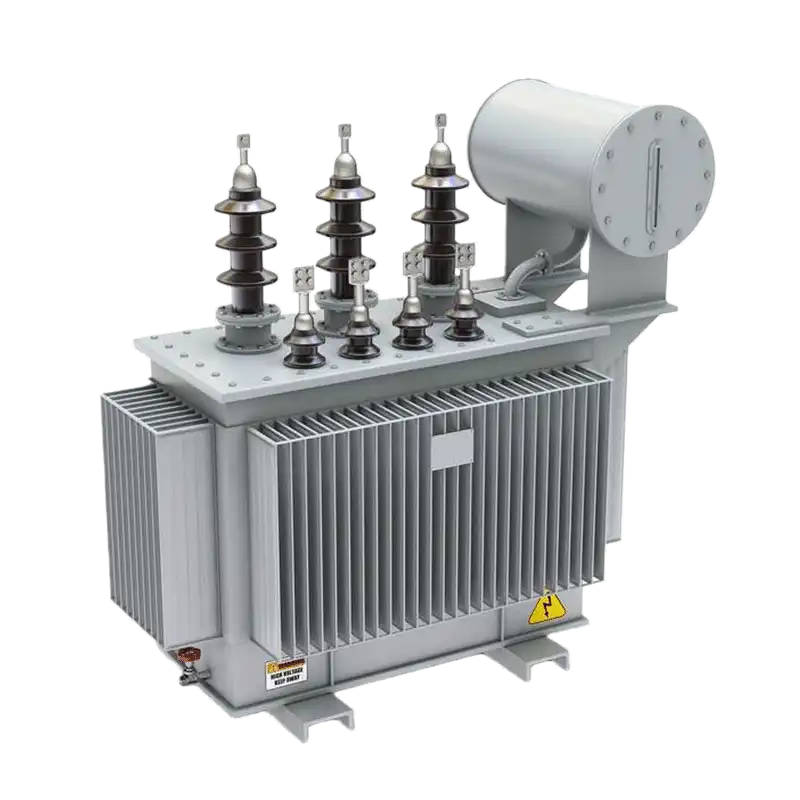


Our liquid-filled transformers utilize robust, hermetically sealed tank designs that effectively prevent oil degradation and ensure a long, maintenance-free lifespan.
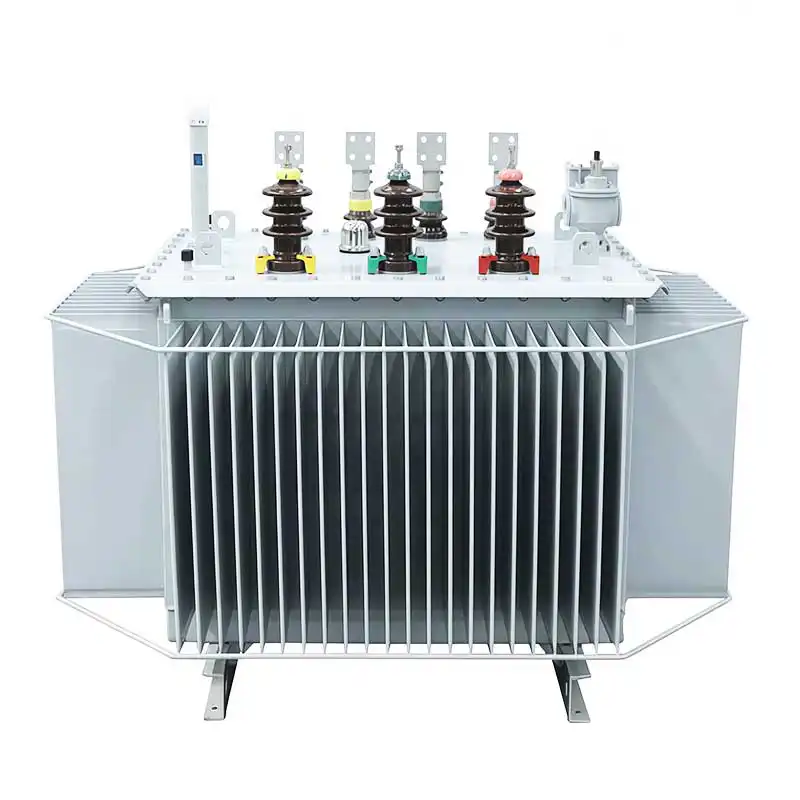
Our product range spans a comprehensive spectrum of specifications, covering diverse voltage and capacity needs to satisfy various applications. For urban and rural power grids as well as industrial power supply, we offer distribution transformers with input voltages of 10kV, 20kV, and 35kV, and rated capacities ranging from 30kVA to 2500kVA.
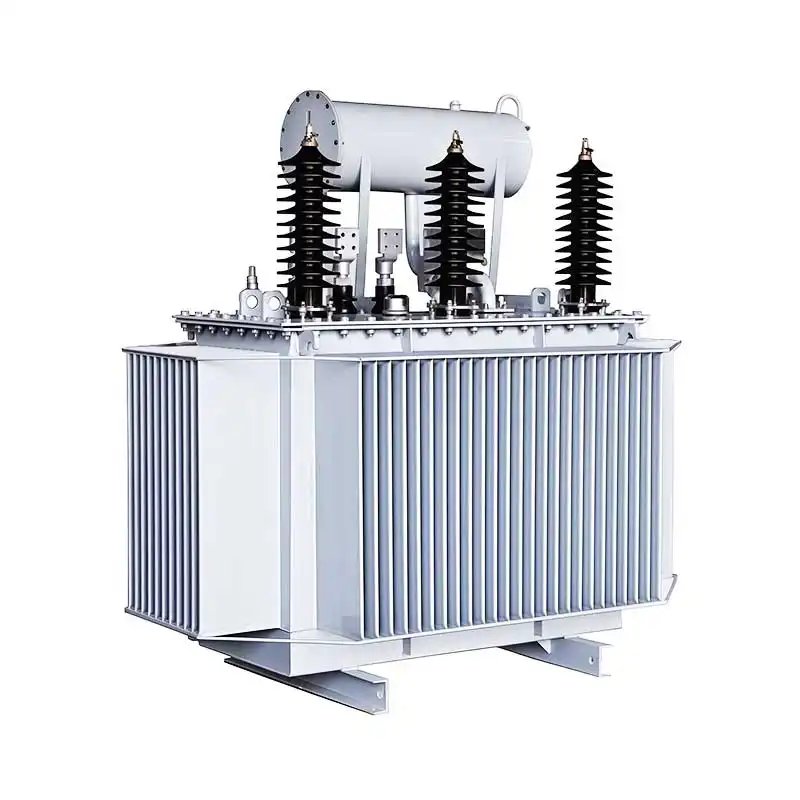
We also provide high-voltage power transformers for long-distance transmission, with voltages up to 220kV and capacities reaching 100MVA, optimized for grid stability and continuous heavy-load operation.
Whether for power utilities, industrial facilities, or renewable energy integration, our oil-immersed transformers combine durability, efficiency, and global compliance to meet the most demanding project requirements.
Deaton Oil Immersed Transformer For Sale
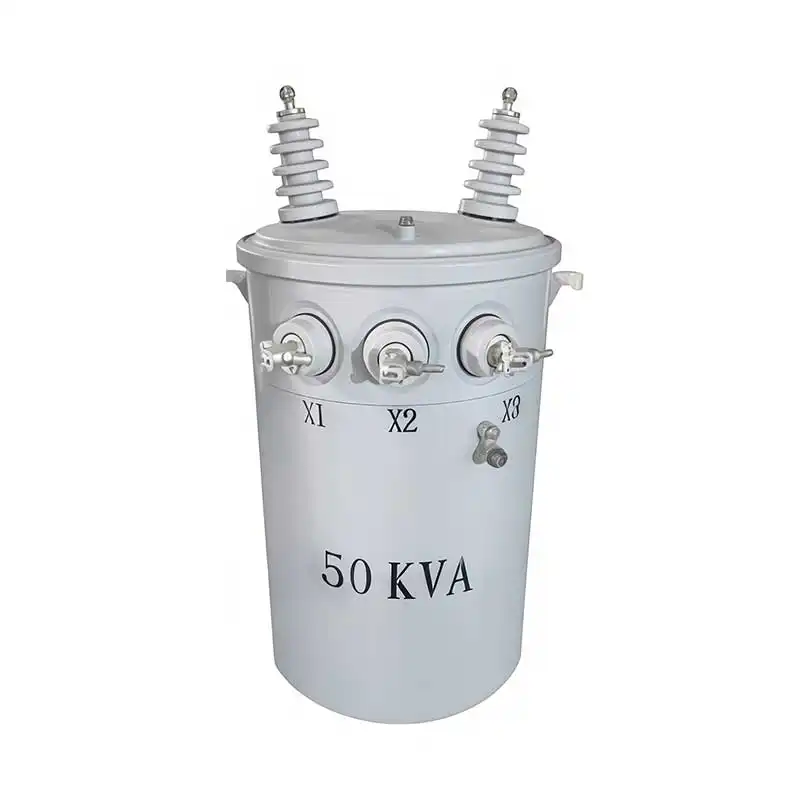
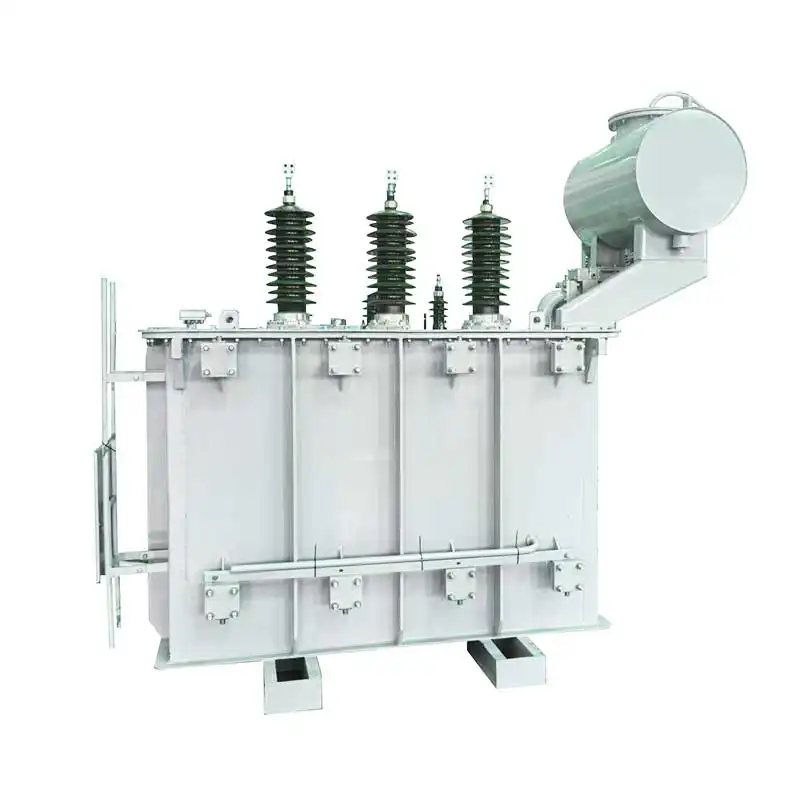
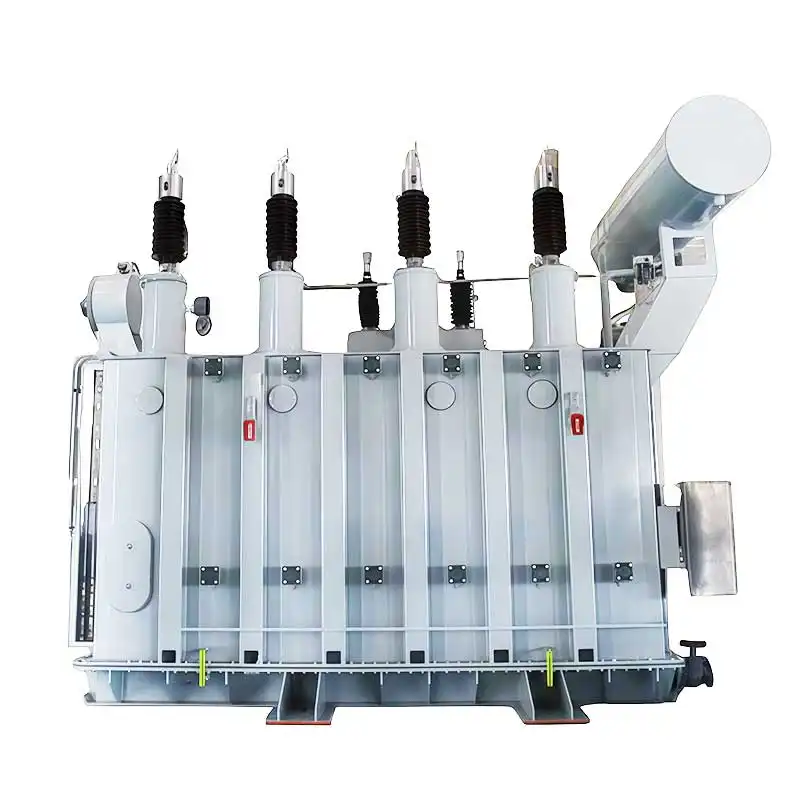
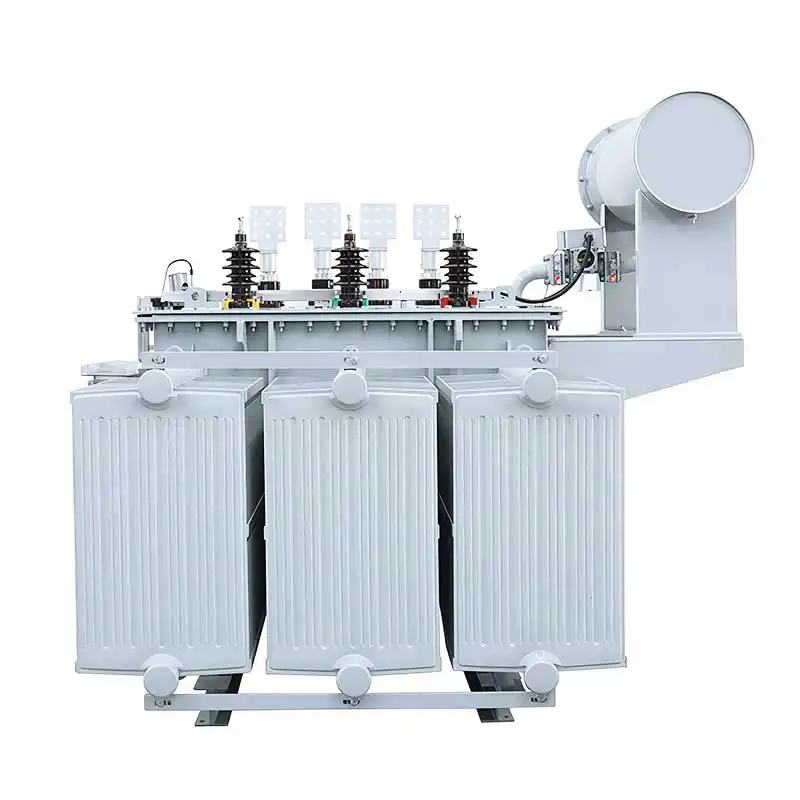
Single Phase Pole Mount Transformer Specifications
| kVA | Primary voltage | Secondary voltage | A mm | B mm | C mm | Weight (kG) | Efficiency % | ||
| DOE2016 | NEMA TP1 | ||||||||
| 10 | 4160 7200 7620 12470 13200 13800 24940 19920 | 120/240 240/480 277 346 600 | 530 | 600 | 1060 | 160 | 98.70% | 98.40% | |
| 15 | 530 | 600 | 1060 | 180 | 98.82% | 98.60% | |||
| 25 | 580 | 660 | 1080 | 230 | 98.95% | 98.70% | |||
| 37.5 | 610 | 690 | 1090 | 290 | 99.05% | 98.80% | |||
| 50 | 650 | 700 | 1100 | 340 | 99.11% | 98.90% | |||
| 75 | 680 | 750 | 1250 | 450 | 99.19% | 99.00% | |||
| 100 | 730 | 800 | 1250 | 500 | 99.25% | 99.00% | |||
| 167 | 900 | 850 | 1300 | 780 | 99.33% | 99.10% | |||
| 250 | 1200 | 900 | 1450 | 1100 | 99.39% | 99.20% | |||
| 333 | 1350 | 1200 | 1500 | 1300 | 99.43% | 99.20% | |||
6-10kV Oil Immersed Transformer Specifications
| Rated capacity kVA | Voltage combination LV | Connecting group | Loss kW | Short circuit impedance % | Weight kg | Overall dimension | Gauge Vertical Horizontal | ||||||
| High volta ge | High voltage tap range | Low voltage | No-load | Lood 75℃ | Body weight | Oil weight | Total weight | ||||||
| 30 | 6 6.3 10 10.5 | ±2×2. 5% ±5% | 0.4 | Dyn11 Yzn11 YynO | 0.100 | 0.630 | 0.600 | 4.00% | 135 | 55 | 325 | 680*480*846 | 550/400 |
| 50 | 0.130 | 0.910 | 0.870 | 210 | 75 | 435 | 765*690*876 | 550/400 | |||||
| 63 | 0.150 | 1.09 | 1.04 | 245 | 85 | 490 | 795*645*915 | 550/400 | |||||
| 80 | 0.180 | 1.31 | 1.25 | 290 | 90 | 550 | 825*660*925 | 550/550 | |||||
| 100 | 0.200 | 1.58 | 1.50 | 315 | 95 | 590 | 810*770*890 | 550/550 | |||||
| 125 | 0.240 | 1.89 | 1.80 | 365 | 100 | 660 | 825*800*960 | 550/550 | |||||
| 160 | 0.280 | 2.31 | 2.20 | 440 | 115 | 720 | 1115*735*985 | 550/550 | |||||
| 200 | 0.340 | 2.73 | 2.60 | 490 | 160 | 790 | 1186*815*1050 | 550/550 | |||||
| 250 | 0.40C | 3.20 | 3.05 | 600 | 150 | 960 | 1290*860*1050 | 660/660 | |||||
| 315 | 0.48C | 3.83 | 3.65 | 710 | 180 | 1120 | 1350*920*1090 | 660/660 | |||||
| 400 | 0.570 | 4.52 | 4.30 | 920 | 210 | 1440 | 1485*1030*1120 | 660/660 | |||||
| 500 | 0.680 | 5.41 | 5.15 | 1050 | 320 | 1800 | 1485*1030*1160 | 660/660 | |||||
| 630 | Dyn11 YynO | 0.810 | 6.20 | 6.20 | 4.50% | 1130 | 260 | 1770 | 1550*1045*1225 | 660/660 | |||
| 800 | 0.98C | 7.50 | 7.50 | 1340 | 290 | 2060 | 1730*1220*1285 | 820/820 | |||||
| 1000 | 1.150 | 10.3 | 10.3 | 1440 | 420 | 2505 | 1670*1160*1375 | 820/820 | |||||
| 1250 | 1.360 | 12.0 | 12.0 | 1750 | 480 | 2970 | 1750*1240*1425 | 820/820 | |||||
| 1600 | 1.640 | 14.5 | 14.5 | 2240 | 600 | 3950 | 1860*1250*1485 | 820/820 | |||||
| 2000 | 1.940 | 18.3 | 18.3 | 5.00% | 2575 | 635 | 4305 | 1990*1315*1620 | 820/820 | ||||
| 2500 | 2.290 | 21.2 | 21.2 | 3270 | 815 | 5440 | 2065*1360*1750 | 1070/1070 | |||||
35kV Oil Immersed Transformer Specifications
| Rated capacity kV.A | Voltage combination kV | Connecting group | Loss kW | No-loadcurrent% | Short-circuitimpedance % | Weight(kg) | Overall dimension | Gauge Vertical/Horizontal | ||||
| High voltage | Low voltage | No-load | Load | Body weight | Oi weight | Total weight | ||||||
| 30 | 35 38.5 | 0.4 | Dyn11 Yyn0 | 0.14 | 0.89/0.84 | 1.7 | 6.5 | 165 | 230 | 580 | 1320×550×1550 | 550/550 |
| 50 | 0.16 | 1.20/1.14 | 1.3 | 230 | 265 | 730 | 1360×700×1680 | |||||
| 80 | 0.22 | 1.80/1.71 | 1.1 | 310 | 310 | 870 | 1395×730×1730 | |||||
| 100 | 0.23 | 2.01/1.91 | 1.1 | 370 | 340 | 1000 | 1440×760×1810 | |||||
| 125 | 0.27 | 2.37/2.26 | 1.0 | 440 | 380 | 1120 | 1450×800×1940 | 660/660 | ||||
| 160 | 0.28 | 2.82/2.68 | 1.0 | 540 | 415 | 1360 | 1470×800×2910 | |||||
| 200 | 0.34 | 3.32/3.16 | 1.0 | 635 | 455 | 1540 | 1500×800×2050 | |||||
| 250 | 0.40 | 3.95/3.76 | 0.95 | 725 | 490 | 1745 | 1530×830×2090 | |||||
| 315 | 0.48 | 4.75/4.53 | 0.95 | 825 | 525 | 1910 | 1550×870×2150 | |||||
| 400 | 0.58 | 5.74/5.47 | 0.85 | 980 | 595 | 2220 | 1600×940×2200 | 820/820 | ||||
| 500 | 0.68 | 6.91/6.58 | 0.85 | 1210 | 680 | 2640 | 1750×1000×2280 | |||||
| 630 | 0.83 | 7.86 | 0.65 | 1110 | 800 | 3175 | 2130×950×2400 | |||||
| 800 | 0.98 | 9.40 | 0.65 | 1625 | 850 | 3595 | 2210×1075×2450 | |||||
| 1000 | 1.15 | 11.50 | 0.65 | 1955 | 965 | 4260 | 2250×1090×2630 | |||||
| 1250 | 1.40 | 13.90 | 0.6 | 2250 | 1130 | 4835 | 2210×1740×2690 | 070/1070 | ||||
| 1600 | 1.69 | 16.60 | 0.6 | 2890 | 1260 | 5995 | 2250×2145×2700 | |||||
| 2000 | 1.99 | 19.7 | 0.55 | 3070 | 1330 | 6445 | 2320×2170×2750 | |||||
| 2500 | 2.36 | 23.2 | 0.55 | 3555 | 1390 | 7080 | 2340×2180×2510 | |||||
110-135kV Oil Immersed Transformer Specifications
| Rated capacity (KVA) | Voltage combination and tap range | Connection Group Symbol | No-load Loss (W) | Load Loss (W) | No-load Current (%) | Short Circuit Impedance (%) | ||
| High voltage (KV) | Medium Voltage(KV) | Low voltage(KV) | ||||||
| 6300 | 110 121 ±2*2.5% | 36 37 38.5 | 6.3 6.6 10.5 21 | YNyn0d11 | 8900 | 44000 | 0.66 | Step-up High-Medium 17.5-18.5 , High-Low 10.5 , Medium-Low 6.5 Step-down High-Medium 10.5 , High-Low 18-19 , Medium-Low 6.5 |
| 8000 | 1060 | 53000 | 0.62 | |||||
| 10000 | 1260 | 63000 | 0.59 | |||||
| 12500 | 1470 | 74000 | 0.56 | |||||
| 16000 | 1790 | 90000 | 0.53 | |||||
| 20000 | 2110 | 106000 | 0.52 | |||||
| 25000 | 2460 | 126000 | 0.48 | |||||
| 31500 | 2940 | 149000 | 0.48 | |||||
| 40000 | 3480 | 179000 | 0.44 | |||||
| 50000 | 4160 | 213000 | 0.44 | |||||
| 63000 | 4920 | 256000 | 0.4 | |||||
Global Cases
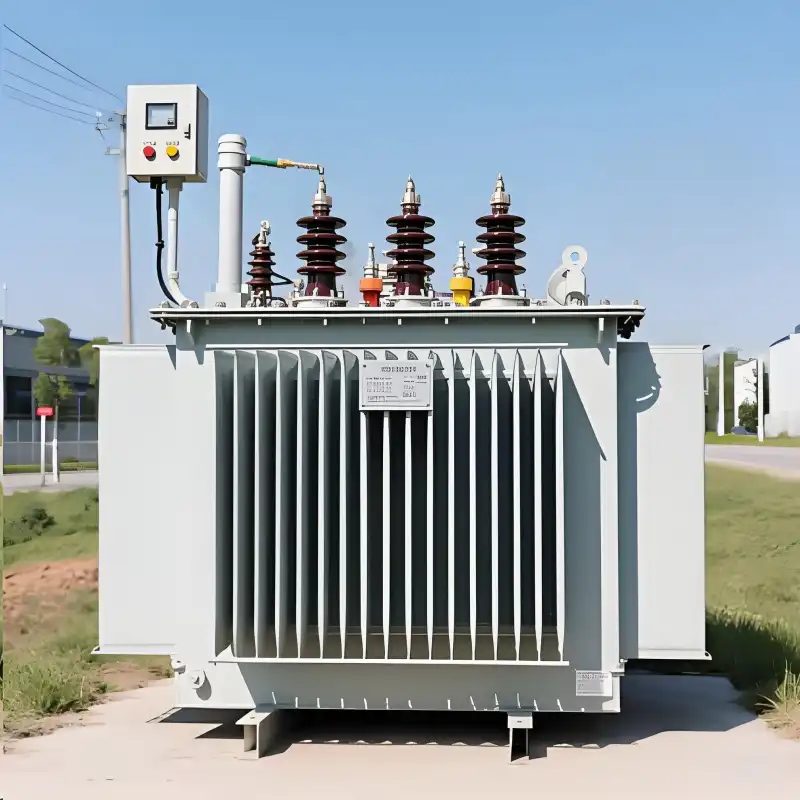
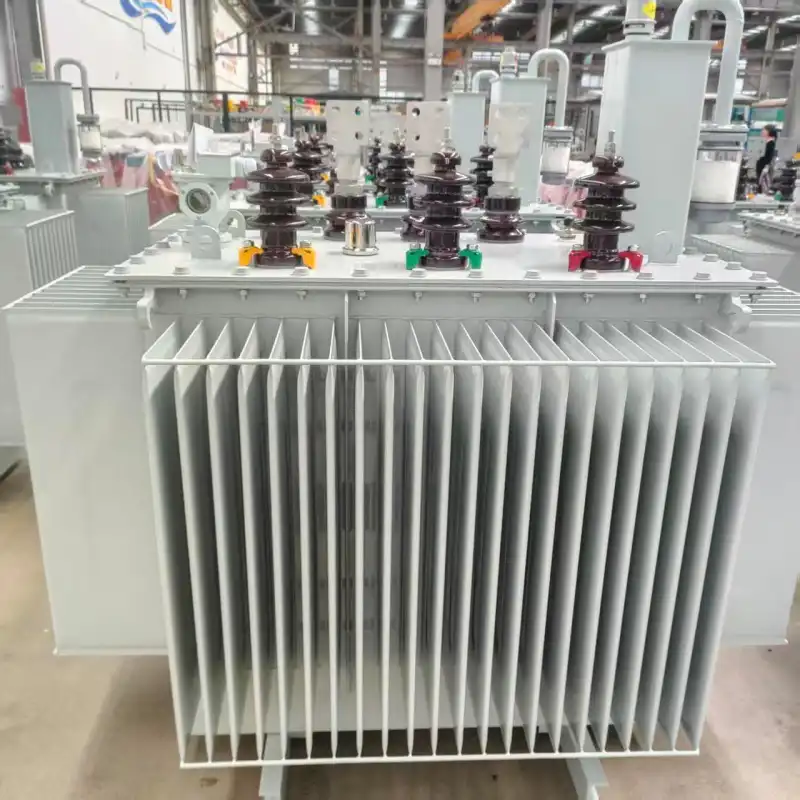
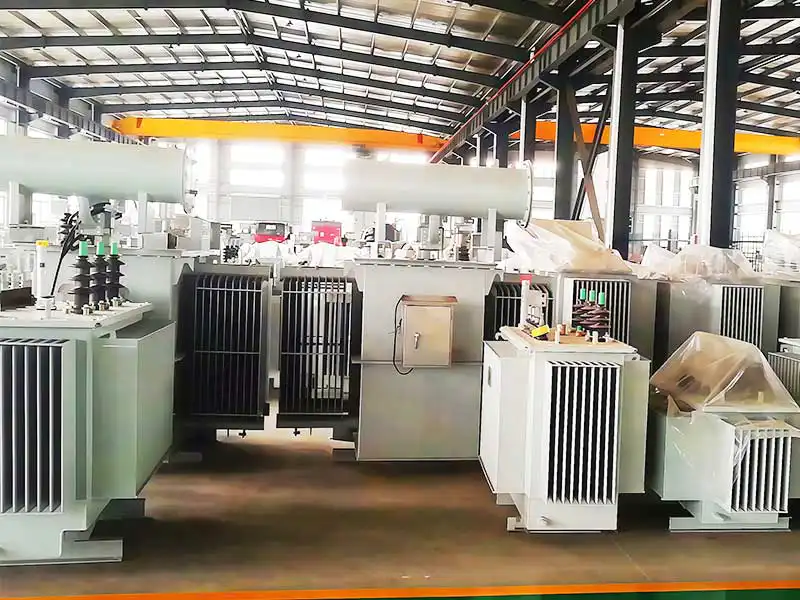
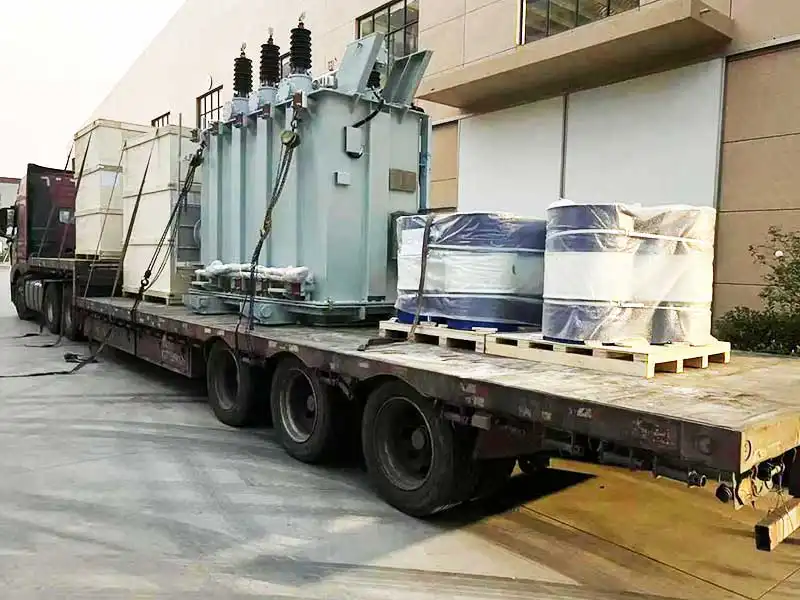
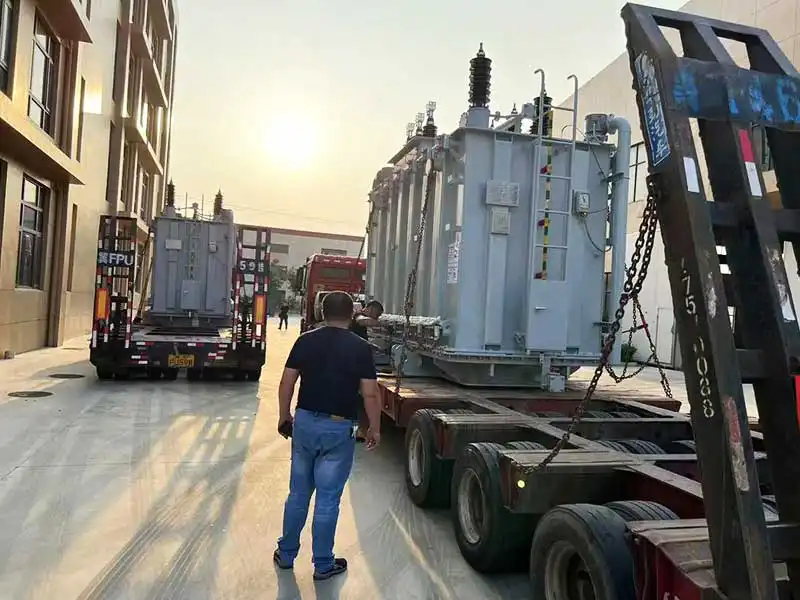
Oil Immersed Transformer to Turkey
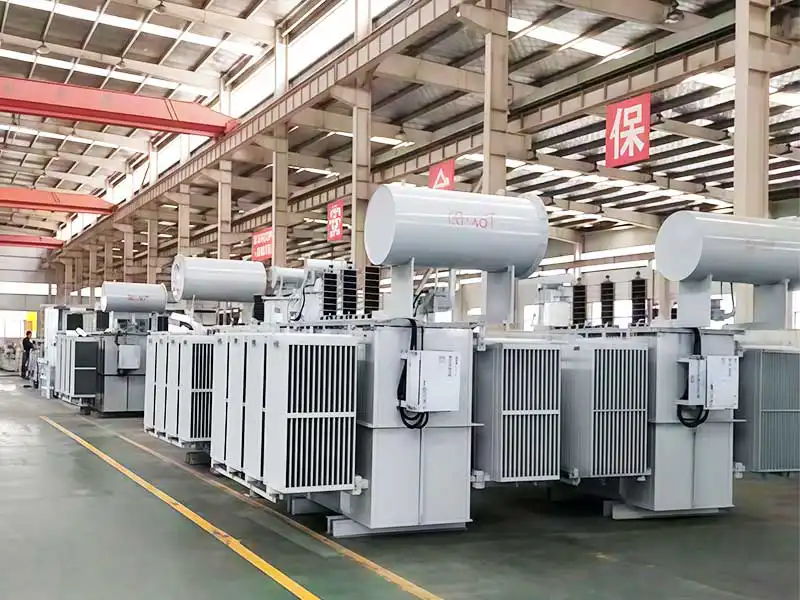
Deaton has successfully manufactured and exported a fleet of heavy-duty oil immersed transformers to support critical grid infrastructure in Turkey.
These units feature a robust, hermetically sealed design with deep corrugated fins, ensuring optimal heat dissipation while completely eliminating oil-to-air contact for a maintenance-free lifespan.
Recognizing the diverse environmental conditions of the destination, our engineering team equipped these transformers with durable high-voltage porcelain bushings and arcing horns for superior lightning impulse protection.
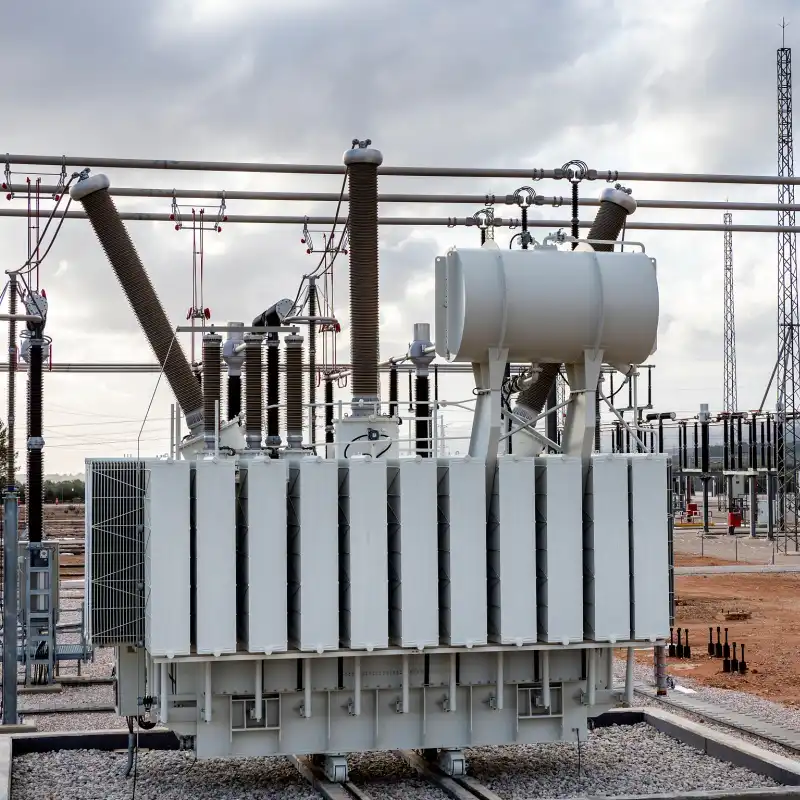
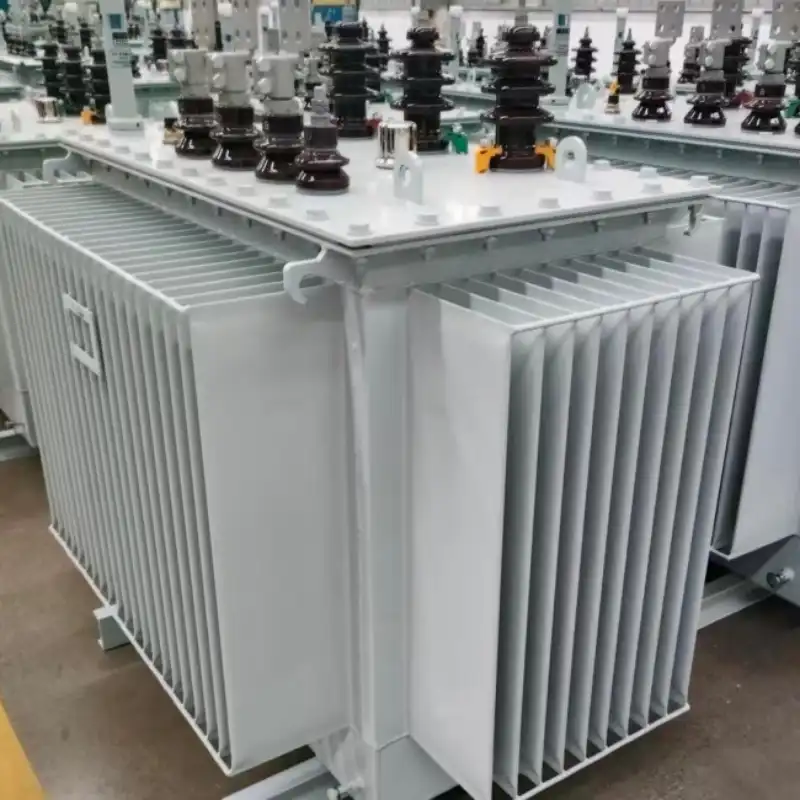
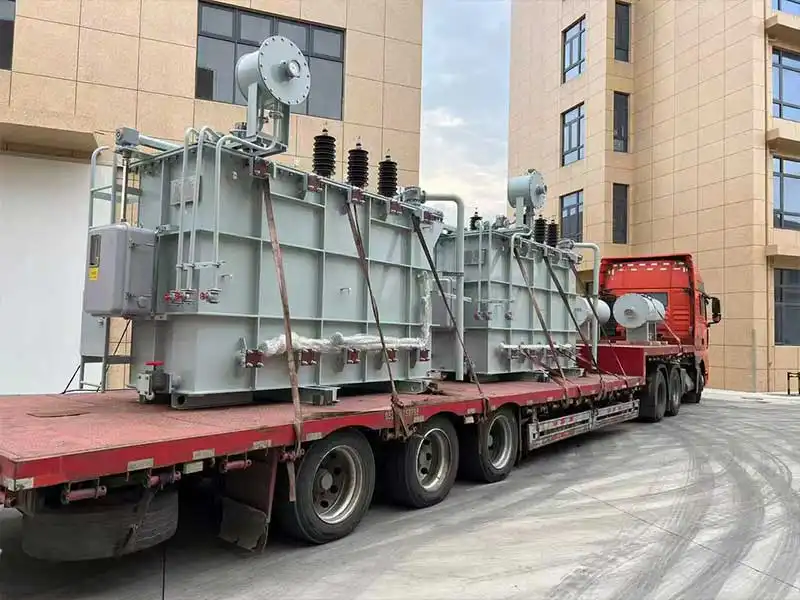
Oil Immersed Transformer to the Egypt
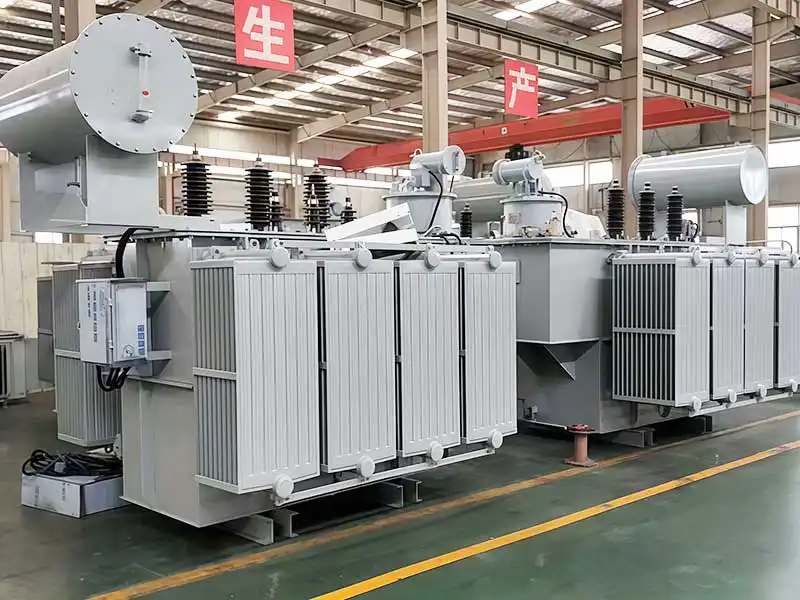
Deaton recently delivered a high-capacity Oil Immersed Power Transformer for a strategic utility substation in Egypt.
Understanding the challenging arid climate and high ambient temperatures of the region, our engineering team optimized the unit’s thermal design with a high-efficiency cooling system and extensive radiator banks, as visible in the site installation.
The transformer features a rugged, corrosion-resistant tank and a conservator system designed to handle significant oil volume expansion during peak load cycles. By utilizing low-loss electrical steel and robust high-voltage bushings, we ensured maximum efficiency and grid stability under the harsh desert sun.
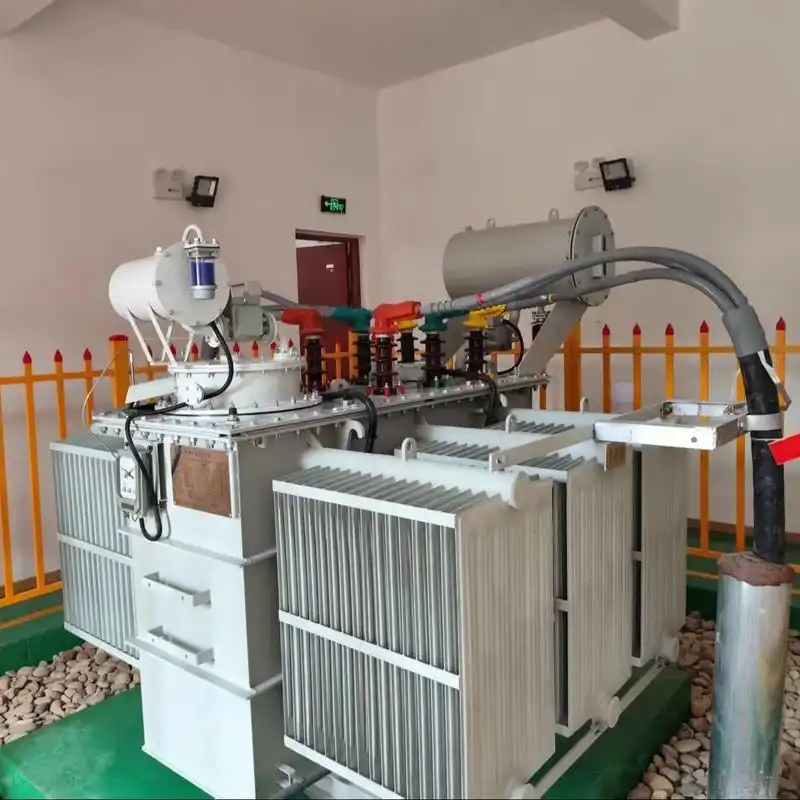
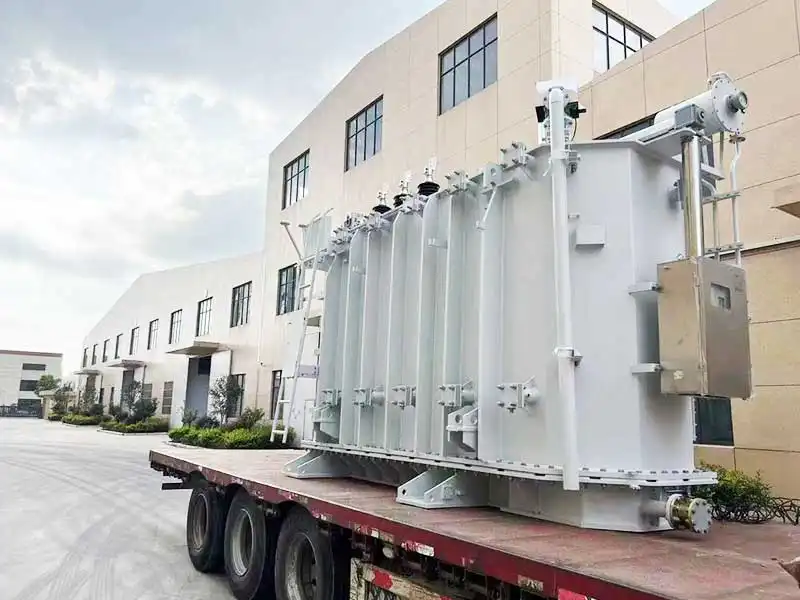
Oil Immersed Transformer to Colombia
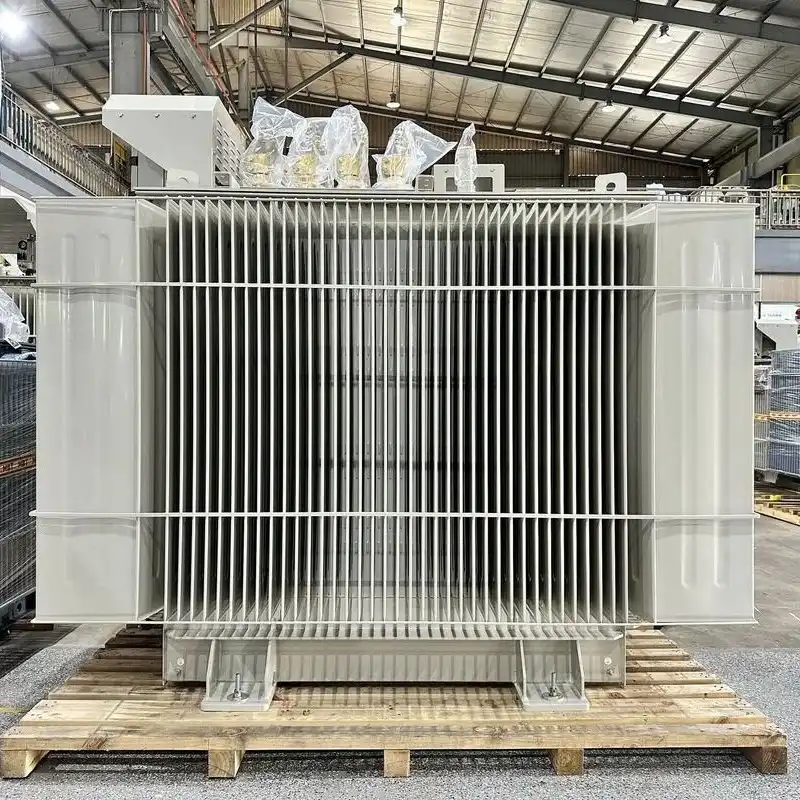
Deaton continues to strengthen our presence in the Latin American power market with the successful commissioning of a specialized Oil Immersed Transformer for an industrial facility in Colombia.
This unit features a robust conservator design equipped with a Buchholz relay, ensuring advanced protection against internal faults and oil level fluctuations. Engineered for a sheltered indoor environment, the transformer utilizes deep corrugated radiator fins to maximize natural cooling efficiency, maintaining optimal operating temperatures during heavy load cycles.
The installation on a drainage-ready gravel bed underscores our commitment to safety and environmental compliance.
What Is An Oil Immersed Transformer?
An oil immersed transformer is a widely used electrical device that relies on insulating oil as both its primary insulation medium and cooling agent, designed for voltage transformation in power transmission and distribution systems.
Its core and copper/aluminum windings are fully immersed in a tank filled with specialized insulating oil—typically mineral oil or synthetic ester oil. The oil serves two critical functions:
- First, it insulates the windings, core, and terminal connections from each other and the tank, preventing short circuits and enhancing dielectric strength to handle high voltages.
- Second, it absorbs heat generated by core losses (hysteresis and eddy currents) and winding losses (resistance), then dissipates that heat to the external environment through the tank’s surface (natural cooling) or auxiliary systems like radiators, fans, or water coolers (forced cooling).
Oil Immersed Transformer Core Component Basics
An oil immersed transformer consists of key parts enclosed in a sealed steel tank filled with insulating oil (mineral oil or synthetic ester oil):
Iron Core: Stacked cold-rolled grain-oriented silicon steel sheets that concentrate and guide magnetic flux, minimizing energy loss from eddy currents and hysteresis.
Primary Winding: Connected to the input power source (e.g., high-voltage grid), with a specific number of turns to match the input voltage.
Secondary Winding: Wound around the same core as the primary, with a different turn count to output the desired voltage (stepped-up or stepped-down).
Insulating Oil: Fills the tank to immerse the core and windings, serving as both an insulation medium and heat transfer agent.
Cooling System: Tank radiators, fans, or oil pumps (for large units) to dissipate heat absorbed by the oil.
Auxiliary Devices: Conservator tank (balances oil volume from thermal expansion), oil level gauge, pressure relief valve, and temperature sensor (monitors oil temperature for safety).
Advantages Of Using An Oil Immersed Transformers
Oil immersed transformers are engineered to support high voltage, large capacity applications, and long distance power transmission and distribution scenarios (ranging from 10kV distribution models to 1000kV ultra-high voltage transmission units) that exceed the practical limits of most dry type transformers.
Here are their core advantages:
1. Superior Insulation Performance & High Voltage/Capacity Compatibility
Insulating oil has excellent dielectric strength, far exceeding that of solid insulation materials used in dry type transformers. This allows oil immersed transformers to handle ultra-high voltages (up to 1000kV) and large capacities (up to 1000MVA)—a capability that dry type transformers struggle to match, as air cooling and solid insulation are limited in dissipating heat and withstanding high electric fields. For long-distance power grid transmission, large-scale industrial plants, and renewable energy base grid integration, this advantage is irreplaceable, ensuring stable voltage transformation even under extreme load conditions.
2. Efficient Heat Dissipation & Stable Long-Term Operation
Insulating oil acts as both an insulator and a high-efficiency heat transfer medium. It absorbs heat generated by core and winding losses quickly, then dissipates it through the transformer tank, radiators, or auxiliary cooling systems (e.g., forced oil circulation air-cooling/ water-cooling). This efficient heat dissipation system maintains lower operating temperatures for key components, reducing insulation aging rates and extending the transformer’s service life to 30+ years—longer than the typical 20-year lifespan of dry type transformers. For 24/7 continuous operation scenarios (e.g., base-load power plants, regional power grids), this stability minimizes downtime and operational risks.
3. Cost-Effectiveness for Large-Scale Applications
In high-voltage, large-capacity projects, oil immersed transformers have significant cost advantages over dry type alternatives. The manufacturing process of oil immersed transformers is mature, and the raw materials (insulating oil, silicon steel cores, copper windings) are more cost-effective than the high-grade epoxy resin required for dry type transformers. For power utilities or industrial clients needing dozens of high-capacity units, the lower upfront cost combined with long service life translates to a much better total lifecycle cost (TLC). Additionally, their modular design simplifies maintenance and component replacement, further reducing long-term operational expenses.
4. Strong Environmental Adaptability for Outdoor & Harsh Conditions
Oil immersed transformers are designed to withstand harsh outdoor environments. Their sealed tank structures (equipped with corrugated expansion tanks or conservators) effectively isolate internal components from dust, moisture, and corrosive gases. They can operate stably in extreme temperatures (from -40°C in cold regions to 50°C in hot climates) and are suitable for coastal areas, industrial zones with high pollution, and remote rural power grids. Fully sealed models even achieve IP67 protection, capable of withstanding short-term flooding—a level of environmental resilience that most dry type transformers cannot reach without additional protective enclosures.
5. Low Noise Operation for Large-Capacity Units
While small-capacity oil immersed transformers may produce slightly higher noise than dry type models, large-capacity oil immersed transformers (≥10MVA) have significant noise advantages. The insulating oil acts as a sound dampener, absorbing vibration from core laminations and windings. When paired with low-noise cooling fans and optimized tank designs, their noise levels can be controlled below 60dB—suitable for urban substations or industrial facilities near residential areas. This is a critical benefit for projects with strict noise regulations.
6. Mature Technology & Easy Maintenance
Oil immersed transformers have a century-long development history, with globally standardized manufacturing processes, testing protocols, and maintenance procedures. Most electrical engineers are familiar with their operation and troubleshooting, reducing the learning curve for on-site teams. Routine maintenance (e.g., oil sampling, filter replacement, tap switch adjustment) is straightforward and does not require specialized equipment. In contrast, dry type transformers often need professional testing for insulation resistance and partial discharge, especially in harsh environments.
What Are The Common Applications Of Oil Immersed Transformers?
Oil immersed transformers are the backbone of global power systems, valued for their high-voltage compatibility, large-capacity handling, and robust performance in harsh environments.
Their common applications span power grid transmission, industrial manufacturing, renewable energy integration, and critical infrastructure—scenarios where dry type transformers are less practical due to voltage or capacity limitations.
Below are their key use cases:
1. Long-Distance Power Grid Transmission & Distribution
This is the most widespread and critical application of oil immersed transformers. They serve as the core equipment for high-voltage (HV) and ultra-high voltage (UHV) power transmission networks, which transport electricity from power plants to urban and rural areas over hundreds of kilometers.
- Transmission Transformers: Operating at 110kV, 220kV, 500kV, or even 1000kV, these large-capacity units (up to 1000MVA) step up voltage at power plants to minimize energy loss during long-distance transport, then step down voltage at substations for regional distribution.
- Distribution Transformers: Rated at 10kV/35kV, these smaller units are deployed in urban and rural substations to convert medium-voltage electricity to 0.4kV for residential, commercial, and small enterprise use. Fully sealed oil immersed distribution transformers are especially popular for outdoor installation, as they require minimal maintenance and withstand harsh weather.
2. Large-Scale Industrial Manufacturing Facilities
Heavy industrial plants rely on oil immersed transformers to power high-demand equipment and handle fluctuating loads that exceed the capacity of dry type models.
- Steel Mills & Metallurgical Plants: Power electric arc furnaces, rolling mills, and smelting equipment—loads that demand high voltage and stable power to avoid production downtime.
- Chemical & Petrochemical Plants: Supply electricity for reactors, compressors, and pipeline systems. Sealed oil immersed transformers are preferred for hazardous areas, as their robust tank design prevents oil leakage and reduces explosion risks.
- Mining Operations: Power drilling rigs, conveyor belts, and ventilation systems in underground or open-pit mines. Their resistance to dust, moisture, and extreme temperatures makes them ideal for remote mining sites.
3. Renewable Energy Integration Projects
As the world shifts to clean energy, oil immersed transformers play a vital role in connecting wind, solar, and hydropower plants to the main grid.
- Wind Farms: Step up the variable voltage generated by wind turbines to grid-compatible levels (e.g., 35kV/110kV). They handle the intermittent load fluctuations of wind power while operating reliably in coastal or high-altitude wind farm environments.
- Solar Power Plants: Convert the low-voltage output of solar panels to medium/high voltage for grid transmission. Large-scale solar farms use oil immersed transformers for their high efficiency and ability to operate continuously under intense sunlight.
- Hydropower Plants: Power the generators and step up voltage for long-distance transmission, leveraging their large capacity to match the high power output of hydro turbines.
4. Railway & Transportation Infrastructure
Oil immersed transformers are essential for electrified railway systems, where stable power supply is critical for train operations.
- Electrified Railways (High-Speed & Urban Transit): Supply power to overhead catenary systems or third rails. Specialized traction oil immersed transformers are designed to handle the high inrush currents of train motors and operate in outdoor, vibration-prone environments.
- Airports & Ports: Power runway lighting, cargo handling equipment, and terminal facilities. Their robust design withstands the corrosive coastal air at ports and the heavy load demands of airport operations.
5. Critical Infrastructure & Heavy-Load Facilities
Facilities with 24/7 power demands and high reliability requirements depend on oil immersed transformers for backup or primary power supply.
- Power Plants (Thermal, Nuclear, Hydro): Serve as station transformers to power auxiliary systems (pumps, fans, control rooms) and step up generator voltage to transmission levels.
- Data Centers & Industrial Parks: Act as backup power transformers paired with generators, ensuring uninterrupted electricity for server clusters and industrial tenants during grid outages. Large data centers may use oil immersed transformers for their high-capacity handling and low lifecycle costs.
6. Marine & Offshore Applications
Specialized marine oil immersed transformers are designed for ships, offshore platforms, and coastal facilities, where corrosion resistance and compact design are key.
- Offshore Oil & Gas Platforms: Power drilling equipment, living quarters, and processing systems. They are built with anti-corrosion coatings and sealed tanks to withstand saltwater spray and harsh marine conditions.
- Cargo Ships & Cruise Liners: Supply power for propulsion systems, lighting, and onboard amenities, with compact designs that fit in limited shipboard spaces.