Renewable Energy Transformer
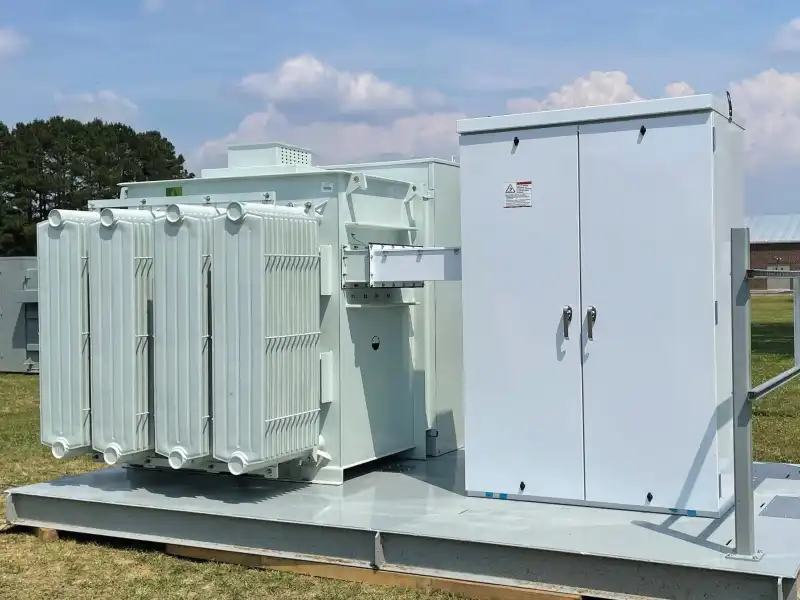
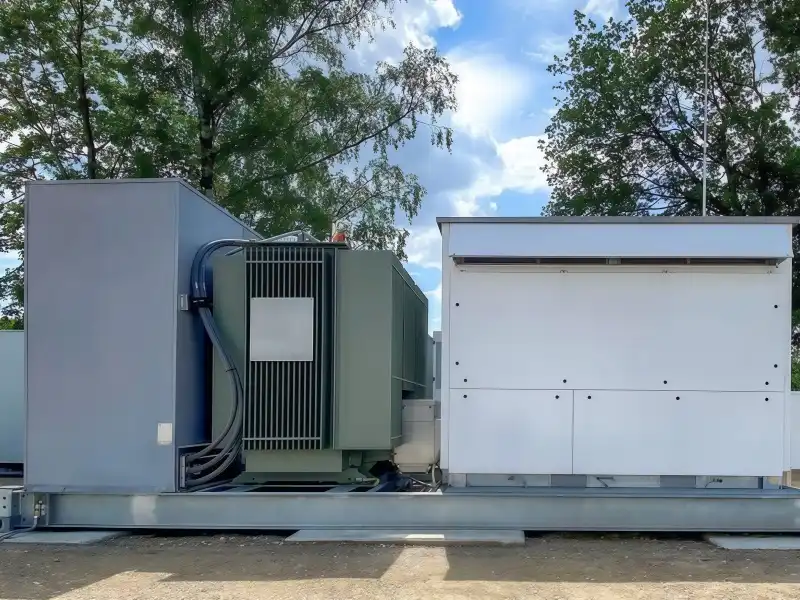
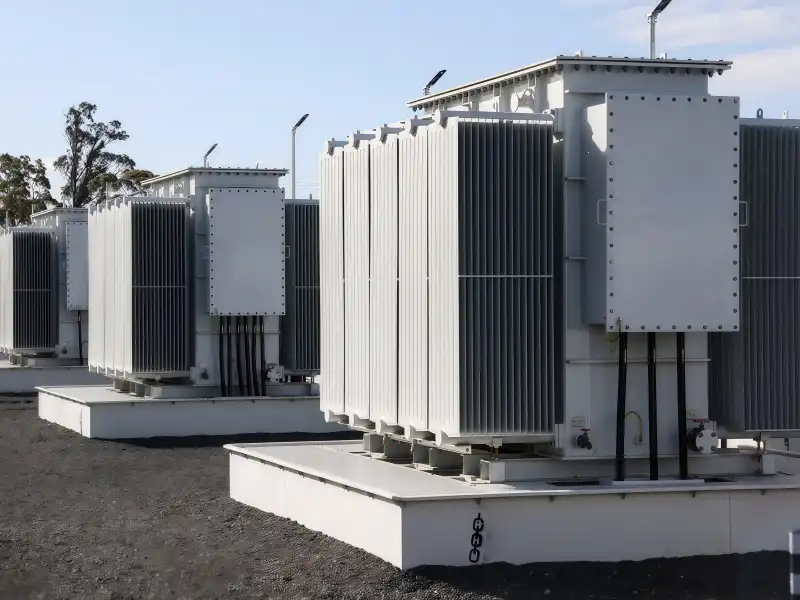
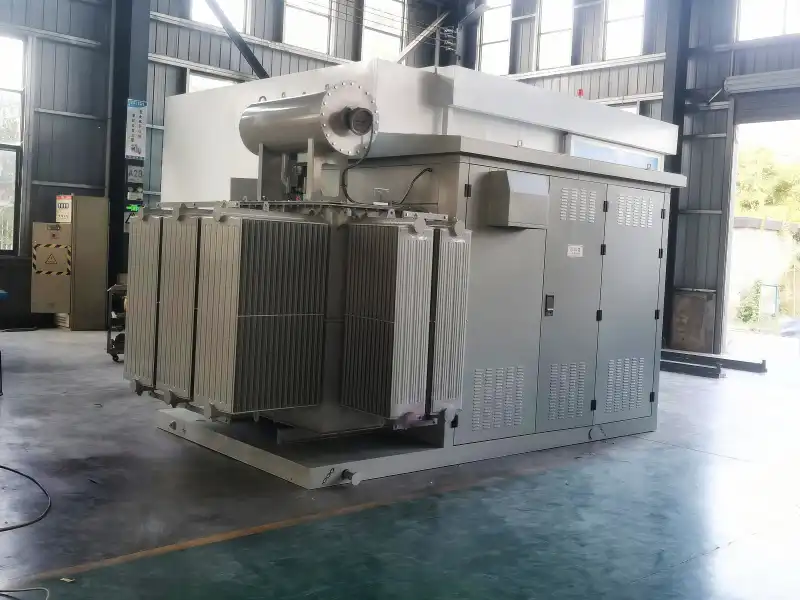
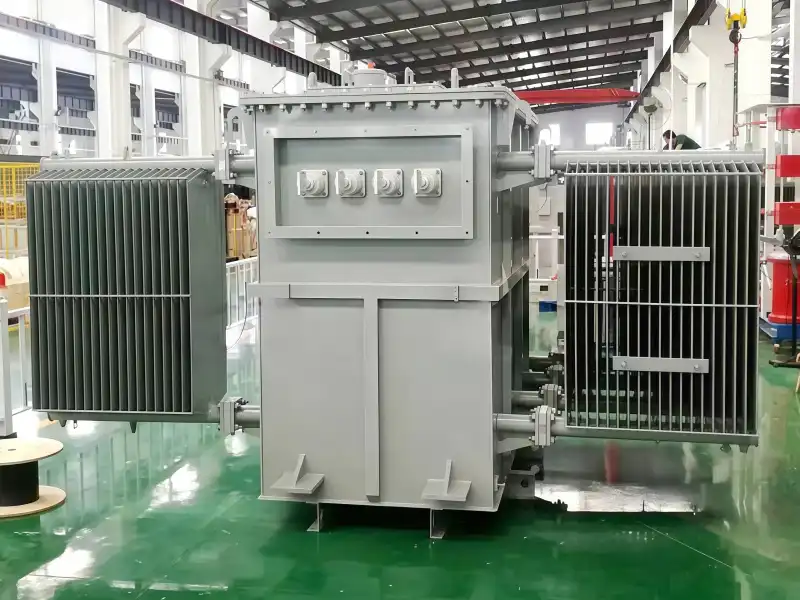
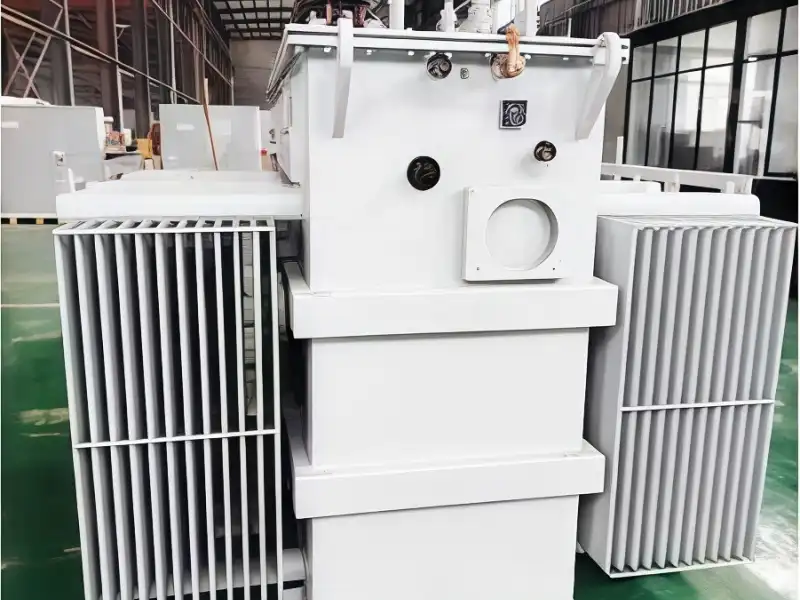
A renewable energy transformer is a specialized component engineered to meet the specific demands of renewable energy systems. Its core function is to step up the often low- or medium-voltage electricity produced by renewables (e.g., from solar inverters or wind turbine generators) to the high-voltage levels required for long-distance transmission over the grid.
Beyond simple voltage conversion, Deaton renewable energy transformers are designed for exceptional reliability, high efficiency, and resilience against the fluctuating and sometimes harsh operating conditions typical of renewable plants.
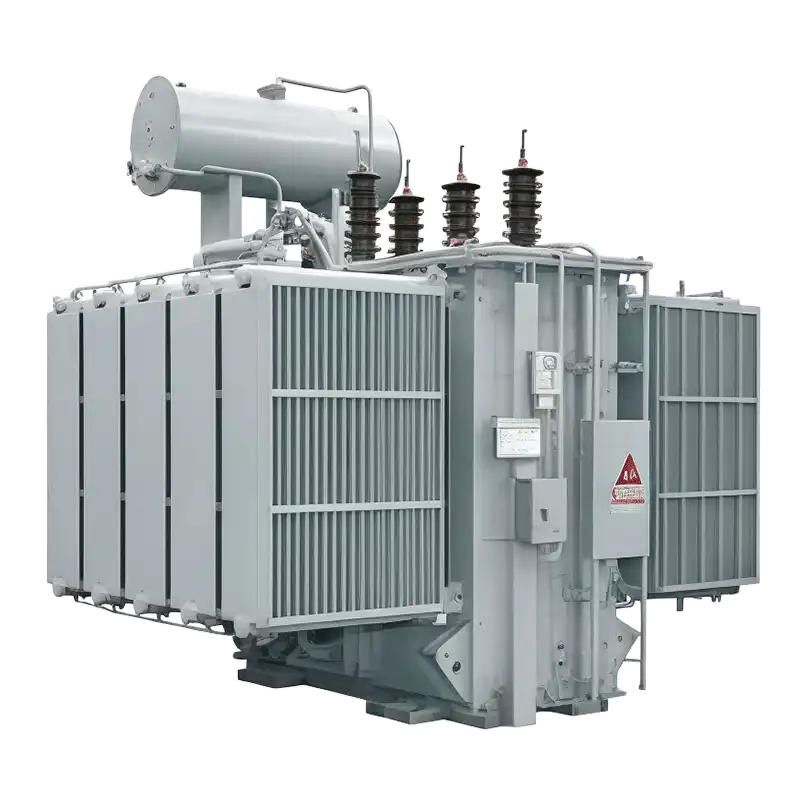


We use advanced materials like amorphous metal cores for ultra-low no-load losses in solar systems and precision-cut, low-loss silicon steel for wind power resilience.
Windings are applied with automated CNC machines and high-strength, thermally stable insulation to endure frequent load cycling and inverter-induced harmonics. For harsh environments—from offshore salt spray to desert heat—we employ fully welded, hermetically sealed tanks with multi-stage corrosion-resistant coatings.
Each unit is assembled with integrated condition-monitoring sensors and subjected to rigorous application-specific testing, including harmonic loss analysis, thermal cycling, and enhanced partial discharge measurement. This ensures every Deaton renewable energy transformer delivers maximum efficiency, durability, and intelligence, built expressly for the variable, demanding duty cycles of solar, wind, and energy storage systems.
Renewable Energy Transformer Specifications
| kVA | HV | LV | Width(mm) | Length(mm) | Height(mm) |
| 315kVA | 11000V | 400V | 800 | 696 | 1336 |
| 500kVA | 27600V | 480GrdY/277V | 1730 | 2300 | 1510 |
| 500kVA | 11000V Delta | 415V Star | 1700 | 1700 | 1650 |
| 750kVA | 11000V | 433V | 1850 | 1845 | 1465 |
| 1000kVA | 14400V | 415/240V | 1085 | 1860 | 1570 |
| 1200kVA | 13800V | 240V | 2450 | 1850 | 1820 |
| 1500kVA | 24940V | 600V | 1800 | 1880 | 1895 |
| 2000kVA | 7200V | 600GrdY/346 | 1766 | 2680 | 1982 |
| 2000kVA | 44000V | 600V | 1260 | 2090 | 1700 |
| 2500kVA | 24940V | 480GrdY/277V | 2400 | 2200 | 2060 |
| 3000kVA | 11000V | 415V | 1600 | 2330 | 1920 |
| 3000kVA | 22800V | 415/240V | 2130 | 3500 | 1910 |
| 3750kVA | 44000V | 600V | 2240 | 2650 | 2700 |
| 4000kVA | 33kV×13.2kV | 600Y/347 | 2150 | 3250 | 2290 |
| 5000kVA | 34500V | 7200V | 3780 | 1850 | 3450 |
| 5000kVA | 34500V | 4160V Star | 2799 | 2400 | 2938 |
| 6300kVA | 35000V | 400V | 3520 | 2820 | 3470 |
| 6800kVA | 34500V | 800V | 3400 | 2670 | 3400 |
| 7500kVA | 27600Y | 4160DELTA | 3350 | 3290 | 2270 |
| 12000kVA | 34500V | 800V | 3690 | 3200 | 3650 |
Global Cases
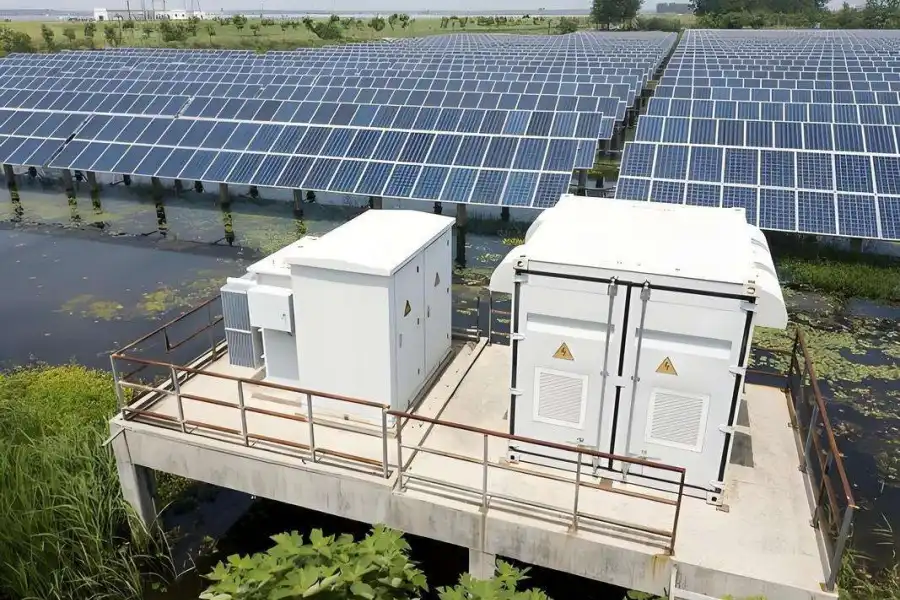
Renewable Energy Transformer in UAE
Deaton delivered a reliable solution for a 5 MW utility – scale solar photovoltaic (PV) project. The project aimed to provide stable power to a remote desert community, leveraging abundant sunlight while overcoming harsh environmental constraints.
Deaton’s transformer was engineered for this extreme context: its enclosure features anti – dust, UV – resistant coatings to withstand sandstorms, while advanced cooling systems prevent overheating under 50°C+ temperatures.
Installed at the PV array’s grid – tie substation, it steps up the inverter – output voltage (800V) to 33kV for regional grid integration, optimizing energy transfer efficiency.
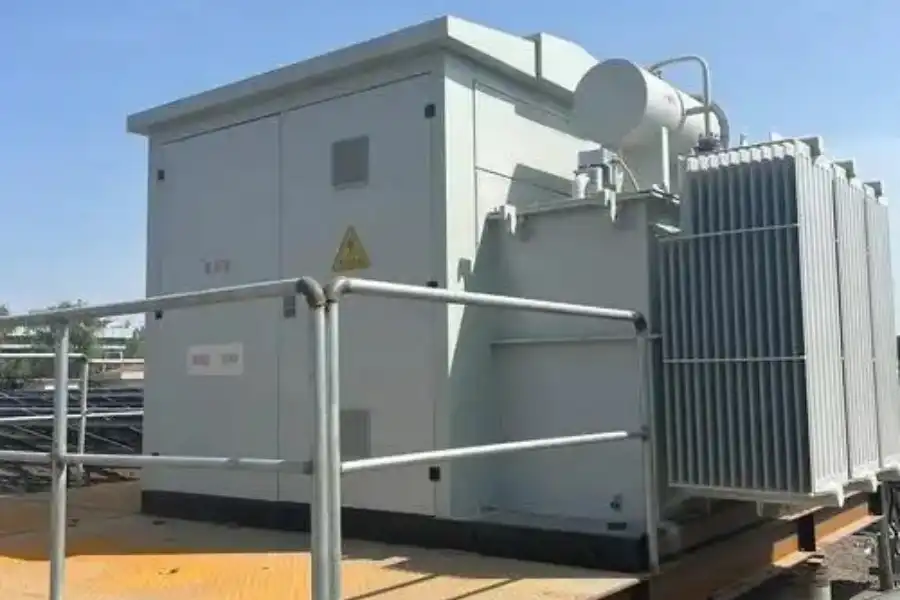
Renewable Energy Transformer in Paraguay
A new EV charging hub located in the Asunción metropolitan area has successfully deployed a customized Deaton renewable energy transformer to enable reliable, high-power charging infrastructure.
Deaton supplied a specially designed 2,500 kVA, 13.8kV/0.4kV three-phase transformer, optimized for EV charging applications.
Engineered to handle repeated surge currents and rapid load fluctuations from multiple DC fast chargers operating simultaneously, ensuring stable voltage output and prolonged equipment lifespan.
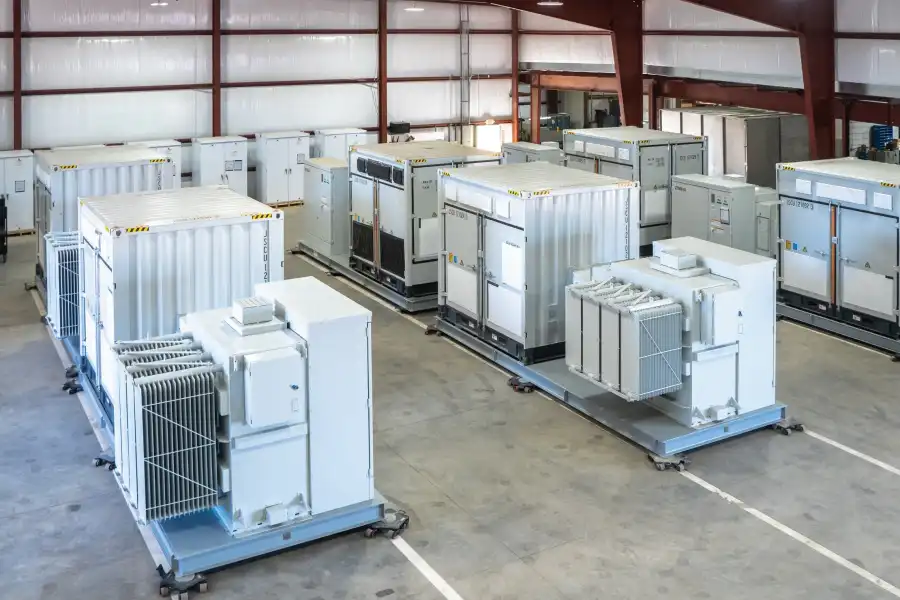
Renewable Energy Transformer to United States
In California’s Central Valley—where extreme heat (often exceeding 40°C) and wildfire-prone landscapes challenge energy infrastructure—Deaton renewable energy transformers were deployed for a 2 MW distributed solar + EV charging hub. Serving rural communities and highway corridors, the project integrates 1.5 MW of rooftop/solar carport arrays with 500 kW of fast-charging stations, requiring robust power conversion.
Deaton’s transformer (a 2,500 kVA, dry-type unit with NEMA 3R enclosure) steps up solar-inverter output (480 V) to 12.47 kV for grid interconnection, while isolating EV charging loads (208/480 V) from sensitive distribution networks.

What Is A Renewable Energy Transformer?
A renewable energy transformer is a specialized type of power transformer designed specifically to connect electricity generated from renewable sources—such as solar photovoltaic (PV) farms, wind turbines, hydropower plants, geothermal plants, and battery energy storage systems (BESS)—to the main electrical grid or to local distribution networks.
Unlike standard grid transformers, renewable energy transformers are engineered to handle the unique operating conditions and challenges of clean energy generation, including:
- Grid Support Functions: Modern units are increasingly smart, helping to stabilize grid voltage and frequency, which is critical as more variable renewables are added to the network.
- Variable and Intermittent Loads: They are built to withstand frequent and rapid changes in power output (e.g., when the wind stops or clouds pass over a solar farm).
- High Harmonic Content: Power from electronic inverters (used in solar and battery systems) can introduce harmonics, which the transformer must manage without overheating.
- Harsh Environmental Conditions: They are often installed in remote, exposed locations (offshore, deserts, mountains) and must be protected against extreme temperatures, moisture, salt spray, corrosion, and dust.
- Bidirectional Power Flow: Especially for systems with integrated storage, transformers may need to handle two-way electricity flow.
What Are The Common Appalications Of Renewable Energy Transformer?
Renewable energy transformers are critical enabling components across the entire spectrum of clean power generation. Their designs are tailored to meet the specific demands of each application. Here are the most common applications:
1. Utility-Scale Solar Photovoltaic Plants
- Primary Role: Step up the medium-voltage AC output (e.g., 0.8kV – 35kV) from multiple solar inverters to the high transmission voltage (e.g., 66kV – 220kV+) of the main grid.
- Key Features: Designed for high daytime loads and low nighttime losses, with robust thermal management for sunny, high-ambient-temperature environments. They must also handle harmonics from inverters.
2. Onshore Wind Farms
- Primary Role: Located at the base of each turbine or at a central collection point to step up the voltage from individual turbines (often 0.69kV or 33kV) to the substation collection voltage for grid export.
- Key Features: Built to withstand frequent load cycling, vibration, and potentially harsh weather conditions (wind, ice, temperature extremes). They are optimized for the variable power profile of wind generation.
3. Offshore Wind Farms
- Primary Role: A critical and demanding application. Transformers are located within the turbine nacelle (tower-top) or on offshore platforms to step up voltage for transmission to shore via subsea cables.
- Key Features: Must have an extremely compact, robust design with superior corrosion protection (salt spray, high humidity), fire safety systems, and high reliability to minimize costly offshore maintenance.
4. Battery Energy Storage Systems (BESS)
- Primary Role: Facilitate bidirectional power flow, stepping up voltage from the battery inverter to the grid during discharge, and stepping down voltage from the grid to charge the batteries.
- Key Features: Specifically engineered for constant, rapid charge/discharge cycles, high harmonic content, and frequent current reversals. Efficiency at partial load is crucial.
5. Hydropower Plants
- Primary Role: Step up the voltage generated by the hydro turbines (which can be relatively low voltage) to the high voltage required for transmission lines.
- Key Features: Designed for high reliability, continuous operation, and resilience in often humid, remote locations near water. They typically handle very stable, high-power loads.
6. Geothermal Power Plants
- Primary Role: Similar to hydropower, they step up the generator output voltage for grid connection. Often located in areas with corrosive gases (e.g., hydrogen sulfide).
- Key Features: Constructed with materials and sealing systems that offer high resistance to corrosive atmospheres and moisture.
7. Distributed & Commercial Renewable Generation
- Primary Role: Used in smaller-scale applications like rooftop solar on commercial/industrial buildings, microgrids, or community solar projects. They interface local generation with the low or medium-voltage distribution grid.
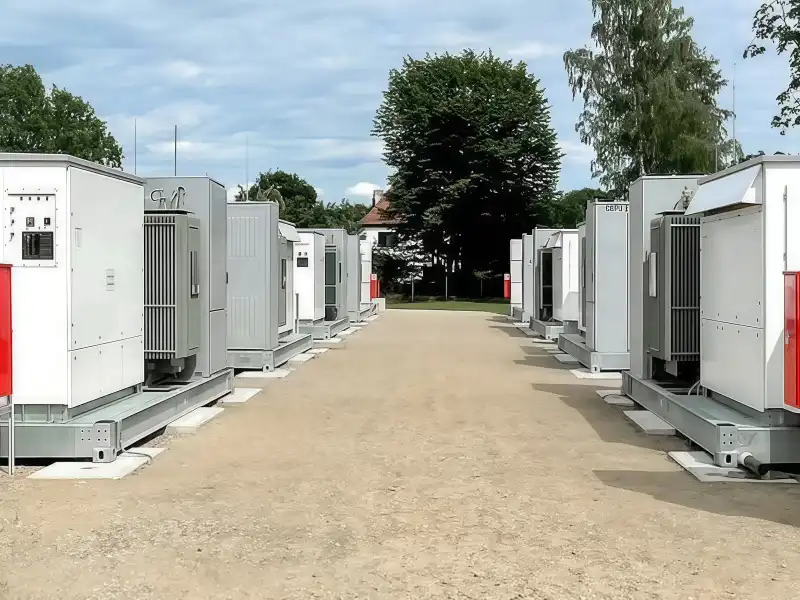
- Key Features: Often pad-mounted or compact substation designs, focusing on safety, ease of installation, and meeting local distribution utility requirements.
8. New Energy Supporting Scenarios
Including new energy microgrids (remote areas, islands, etc.), new energy vehicle charging stations, green hydrogen production facilities, etc. It provides stable power distribution support for various new energy loads to ensure the normal operation of supporting equipment.
Factors to Consider When Choosing Renewable Energy Transformer for Different Applications
Selecting the optimal transformer is a critical engineering decision that impacts the efficiency, cost, and long-term reliability of any renewable energy project. The right choice depends on a detailed analysis of your specific application. Follow this key decision framework:
1. Define Core Application & Environment
This is the primary filter. Match the transformer’s design to its primary duty and location.
- Solar PV Farm (Utility-Scale): Prioritize high efficiency at partial and full load (to maximize energy yield), excellent thermal performance for high ambient temperatures, and robustness against solar inverter harmonics.
- Onshore Wind Farm: Choose transformers built for frequent load cycling and variable loads. Vibration resistance and a design for all-weather outdoor operation (wind, ice, UV) are essential.
- Offshore Wind: This is the most demanding environment. The transformer must be extremely compact, have the highest level of corrosion protection (salt spray certified), often use synthetic ester oil for fire safety and biodegradability, and prioritize maximum reliability to minimize offshore maintenance.
- Battery Energy Storage System: The transformer must be designed for bidirectional power flow and rapid, deep charge/discharge cycles. It must also handle high harmonic distortion from the inverter. Low losses at partial load are critical for round-trip efficiency.
- Hydropower/Geothermal: Focus on high reliability for continuous operation and specific environmental protections—humidity resistance for hydro, and corrosive gas resistance (H₂S) for geothermal.
2. Determine Key Electrical Specifications
- Power Rating (kVA/MVA): Calculate based on the maximum expected generation output, not just the nameplate capacity. Include future expansion plans. For BESS, base it on the inverter’s continuous power rating.
- Voltage Levels: Precisely define the primary (LV/MV) input voltage from the generator/inverter and the secondary (HV) output voltage required for the grid connection point. Adherence to local standards (e.g., ANSI, IEC) is mandatory.
- Impedance (%Z): Select an impedance value that balances limiting fault currents (for system protection) with maintaining acceptable voltage regulation. Utility grid interconnection requirements often dictate this.
- Vector Group (e.g., Dyn11, YNd1): Must be compatible with the generator/inverter output and the grid connection requirements to ensure proper phase relationship and grounding.
3. Evaluate Critical Performance Features
- Efficiency Class: Opt for the highest efficiency class affordable (e.g., IEEE Tier 4, DOE 2016, or EU Class A0). Lower no-load and load losses save significant energy and cost over a 25-30 year lifespan.
- Insulation & Cooling: Choose between liquid-filled (mineral oil, ester) or dry-type (vacuum cast coil, resin). Liquid-filled are common for high-power outdoor applications; synthetic esters are preferred for high fire safety/environmental risk areas. Dry-types are often used for indoor/BESS applications.
- Protection & Accessories: Specify necessary accessories: tap changers (on-load or off-circuit) for voltage regulation, surge arresters, comprehensive monitoring (temperature, pressure, gas detection for oil-filled), and IoT readiness for smart grid integration.
4. Consider Compliance and Logistics
- Standards & Certifications: Ensure the transformer meets all applicable local grid codes, safety standards (IEC, IEEE, CSA), and has necessary type test certificates.
- Physical Constraints: Account for transportation limits (size, weight), foundation requirements, and site accessibility (especially for remote locations).