Distribution Transformer
Distribution transformers are core equipment in power distribution systems, primarily for stepping down medium‑voltage (6–36 kV) power to low‑voltage (0.23/0.4 kV) for residential, commercial, industrial, and utility applications.
Deaton offers a full range of distribution transformers, covering multiple types to adapt to different installation environments and load requirements. All products are manufactured, tested, and certified in line with GB, IEC, UL, ANSI, and NEMA standards, ensuring consistent quality and performance across global markets.
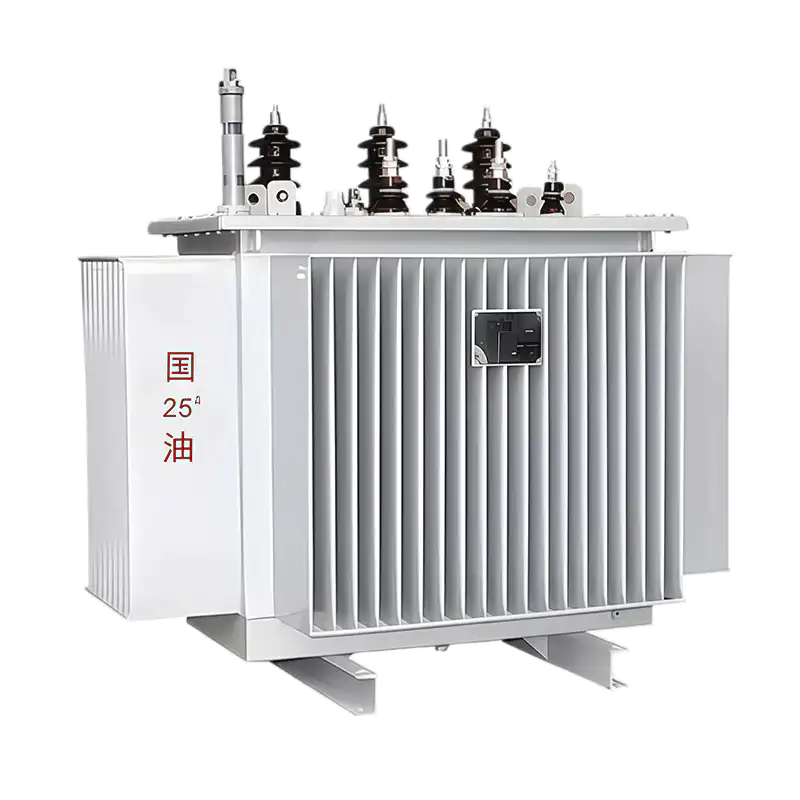


Our distribution transformers are designed with premium materials and advanced technology to ensure stable performance, low energy loss, strong short-circuit resistance, and long service life.
Beyond providing essential safety and voltage regulation, our distribution transformers are specifically engineered for optimal efficiency at fluctuating loads, and designed to minimize core losses during off-peak hours, significantly reducing long-term energy waste and operational costs for utility providers.
We offer a full range of models with flexible customization to meet different voltage, capacity, and installation requirements, while complying with international certifications for global market access.
Distribution Transformer Specifications
| Capacity | Rated voltage & Off-load tapping | Vector GroupSymbol | NO-load loss(W) | Load loss(W) | NO-load current(%) | Short circuit impedance(%) | ||
| H.V(kv) | High pressure Tap range(%) | L.V(kv) | ||||||
| 30 | 11 10.5 10 6.3 6 | ±5% ±2×2.5% | 0.4 0.69 | Dyn11 Yyn0 | 100 | 630/600 | 1.5 | 4 |
| 50 | 130 | 910/870 | 1.3 | 4 | ||||
| 63 | 150 | 1090/1040 | 1.2 | 4 | ||||
| 80 | 180 | 1310/1250 | 1.2 | 4 | ||||
| 100 | 200 | 1580/1500 | 1.1 | 4 | ||||
| 125 | 240 | 1890/1800 | 1.1 | 4 | ||||
| 160 | 280 | 2310/2200 | 1 | 4 | ||||
| 200 | 340 | 2730/2600 | 1 | 4 | ||||
| 250 | 400 | 3200/3050 | 0.9 | 4 | ||||
| 315 | 480 | 3830/3650 | 0.9 | 4 | ||||
| 400 | 570 | 4520/4300 | 0.8 | 4 | ||||
| 500 | 680 | 5410/5150 | 0.8 | 4 | ||||
| 630 | 810 | 6200 | 0.6 | 4.5 | ||||
| 800 | 980 | 7500 | 0.6 | 4.5 | ||||
| 1000 | 1150 | 10300 | 0.6 | 4.5 | ||||
| 1250 | 1360 | 12000 | 0.5 | 4.5 | ||||
| 1600 | 1640 | 14500 | 0.5 | 4.5 | ||||
| 2000 | 1940 | 18300 | 0.4 | 5 | ||||
| 2500 | 2290 | 21200 | 0.4 | 5 | ||||
Global Cases
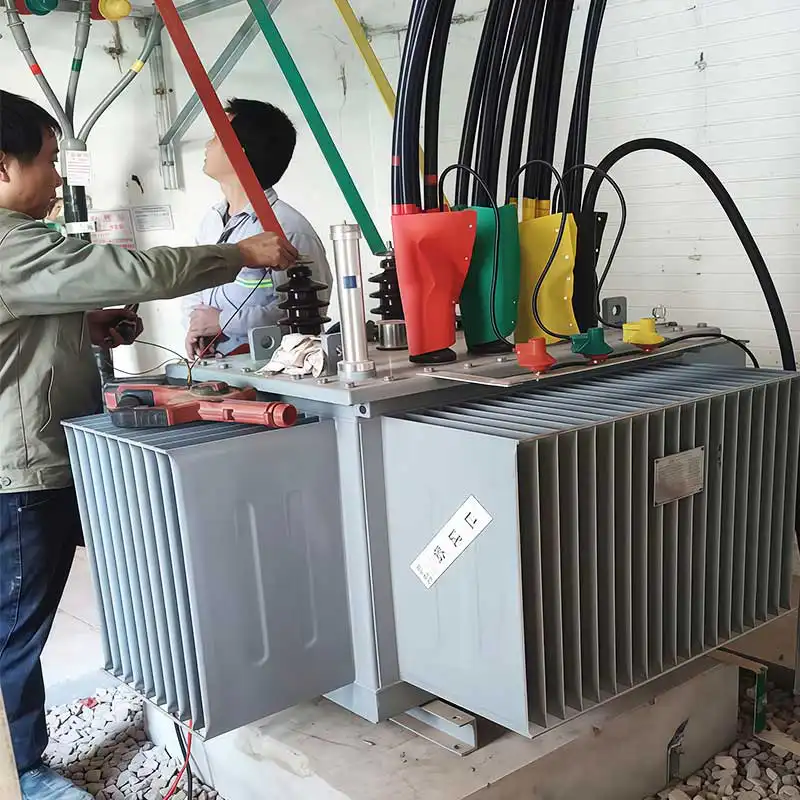
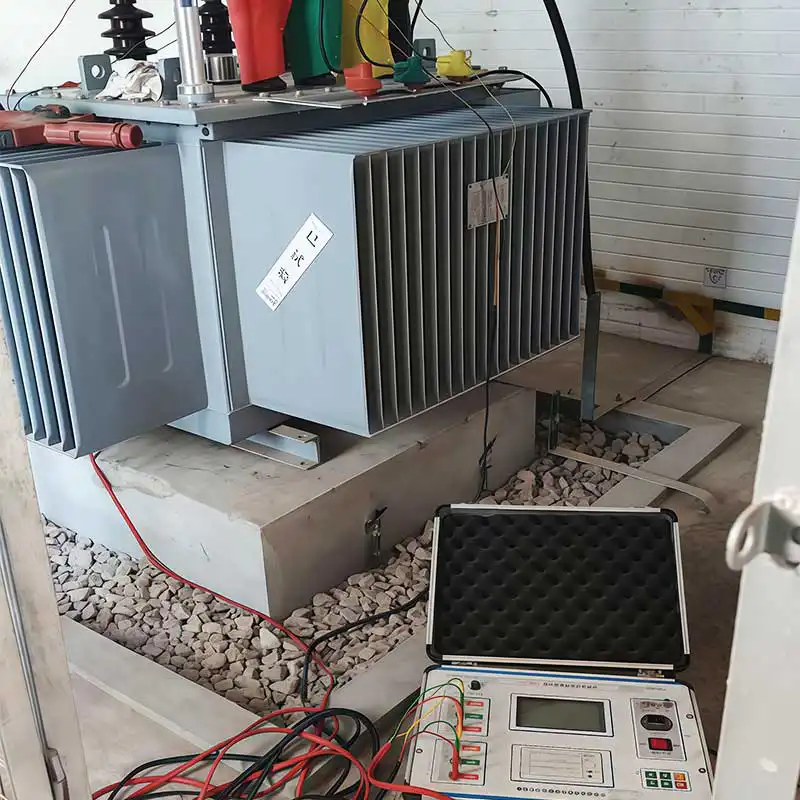
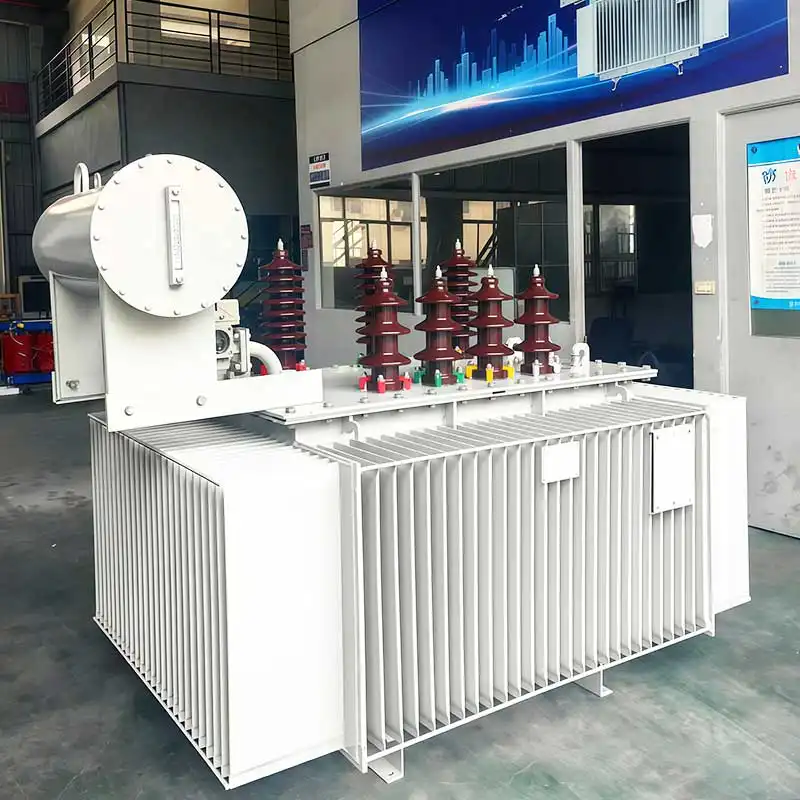
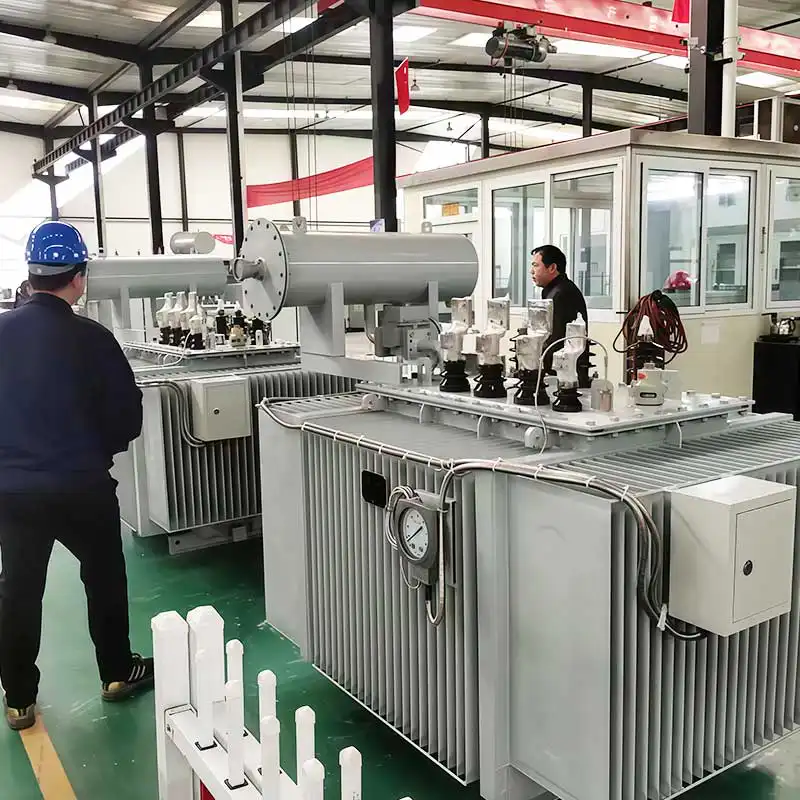
Distribution Transformer in Indonesia
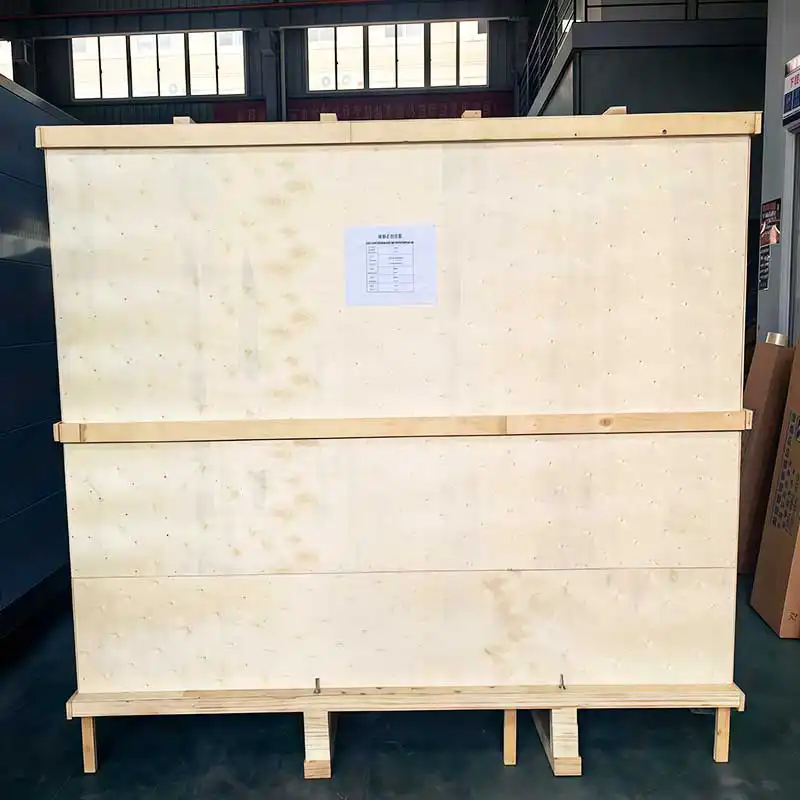
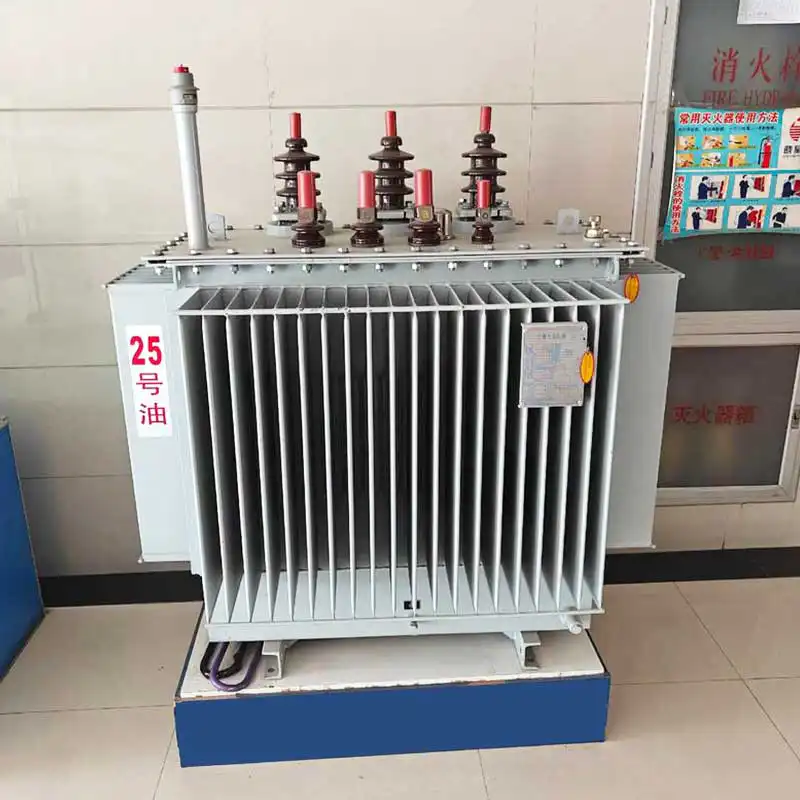
Deaton Equipment has successfully supplied and commissioned a robust distribution transformer for an industrial facility upgrade in Indonesia.
Before final energization, Deaton’s field engineering team conducted comprehensive on-site diagnostics using advanced portable testing equipment, verifying the transformer’s turns ratio, winding resistance, and insulation integrity. This meticulous approach guarantees that the unit meets all IEC standards and is fully optimized for the client’s specific load profile.
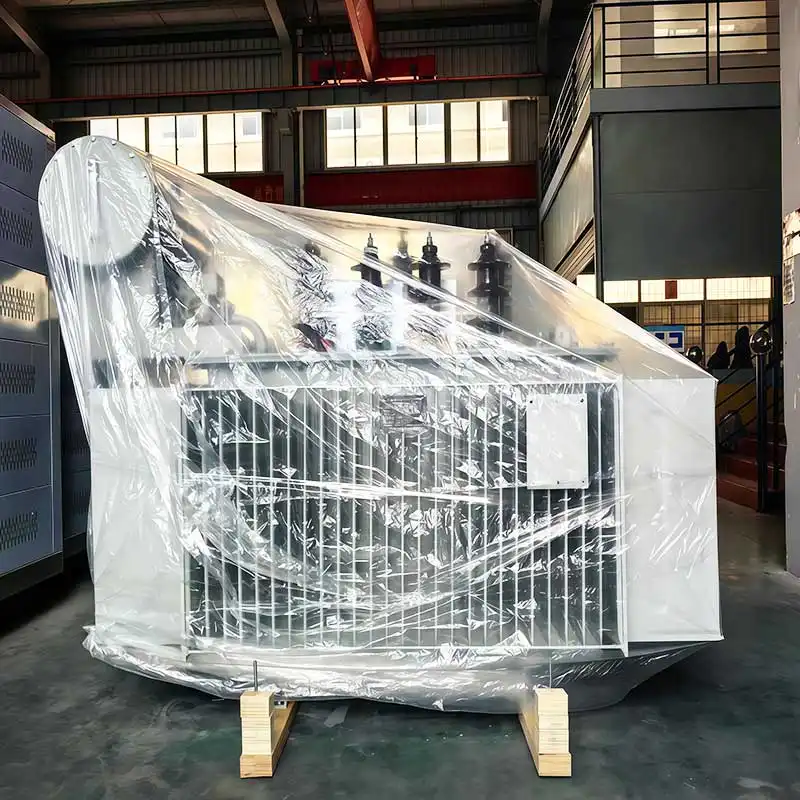
Distribution Transformer to Colombia
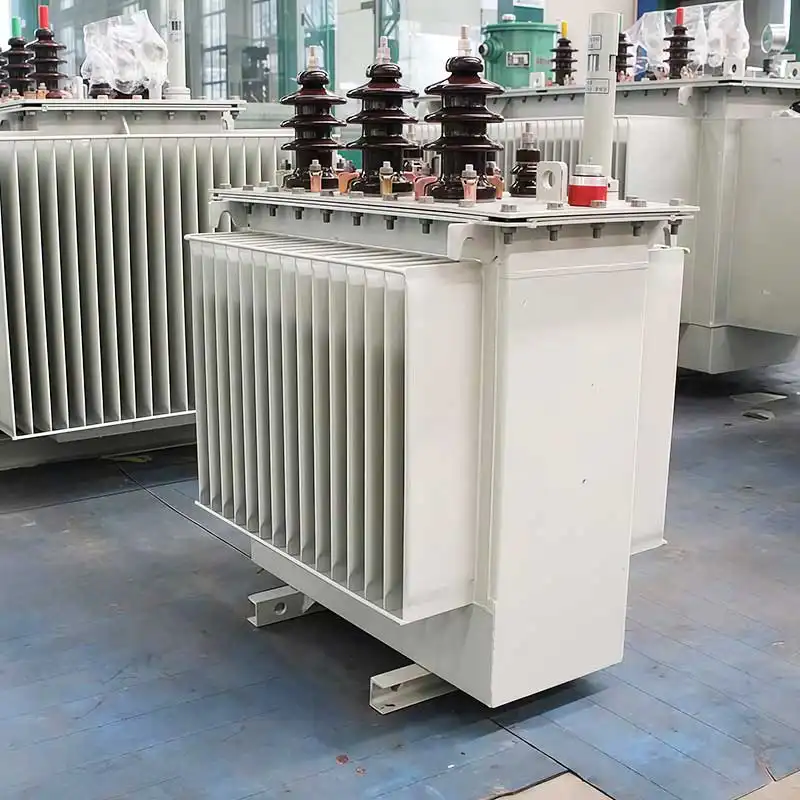
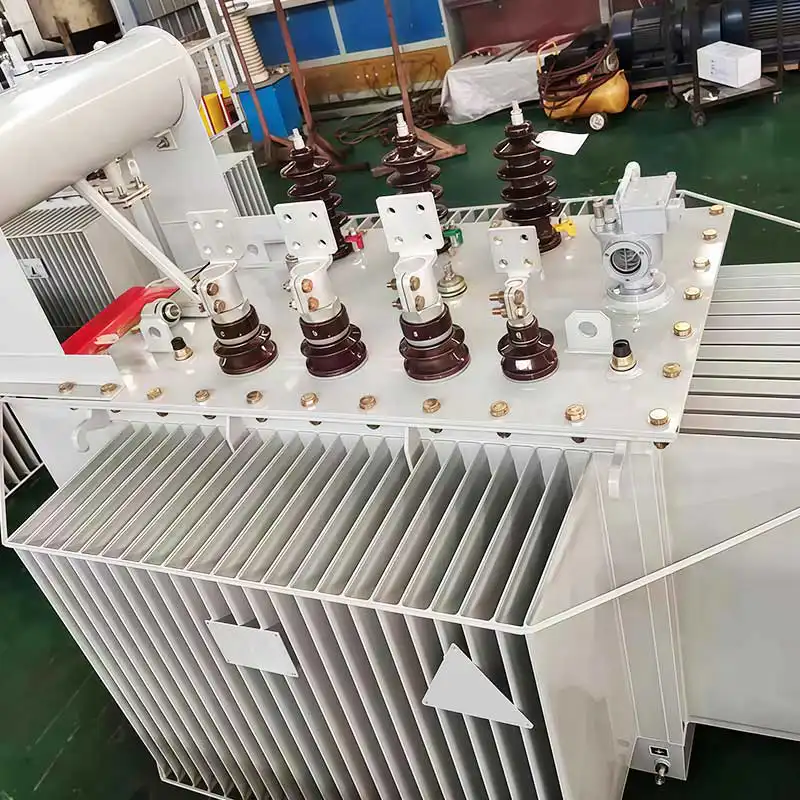
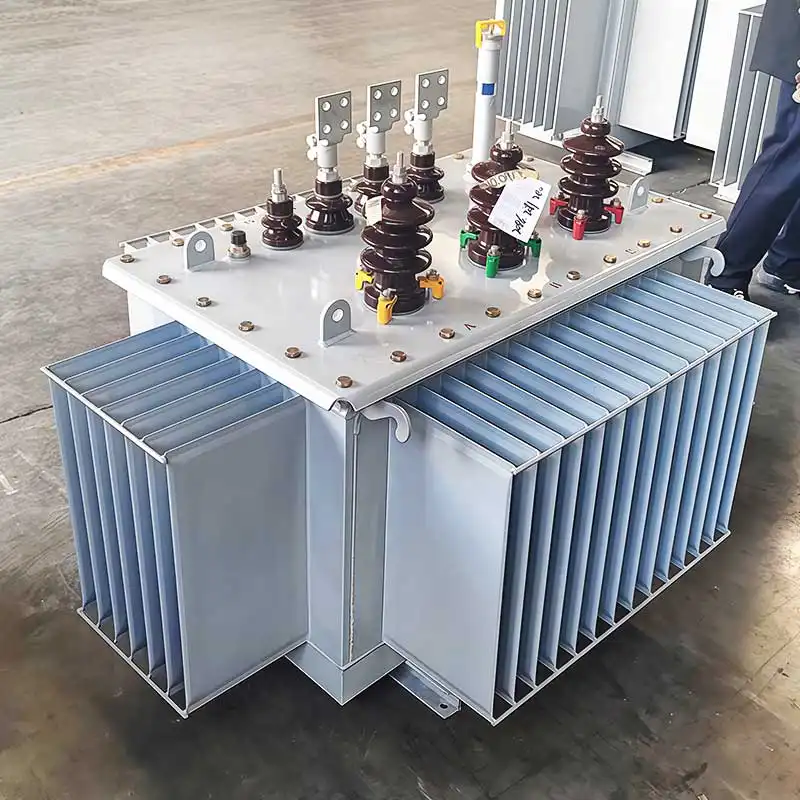
Deaton continues to expand its robust export portfolio with the recent manufacture and dispatch of a high-efficiency distribution transformer to an industrial client in Colombia.
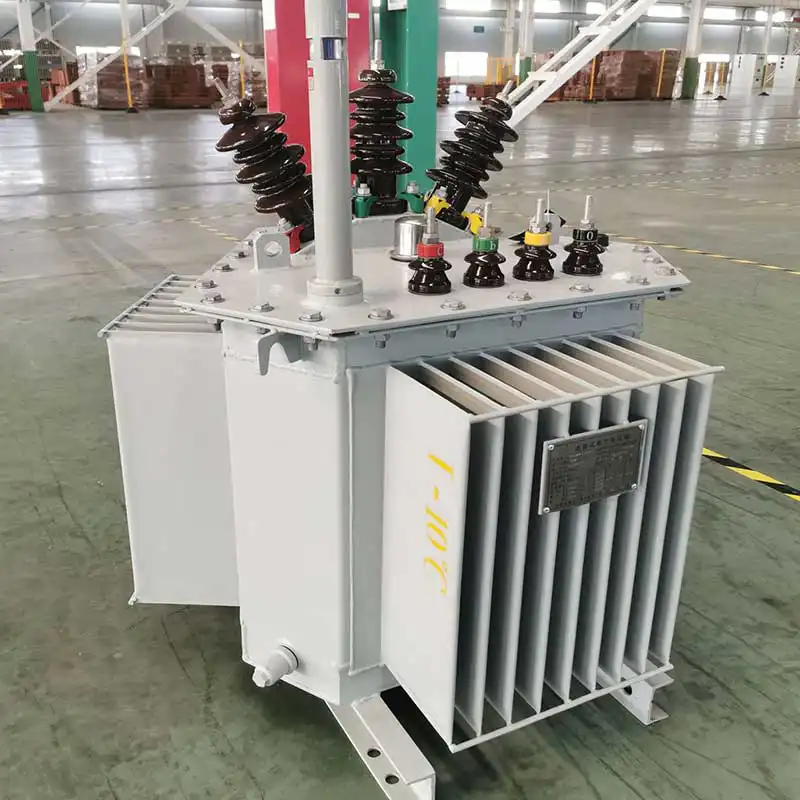
The transformer is equipped with a top-mounted conservator tank to safely accommodate oil expansion, alongside heavy-duty porcelain bushings suitable for high-voltage grid connections.
Distribution Transformers to Zimbabwe
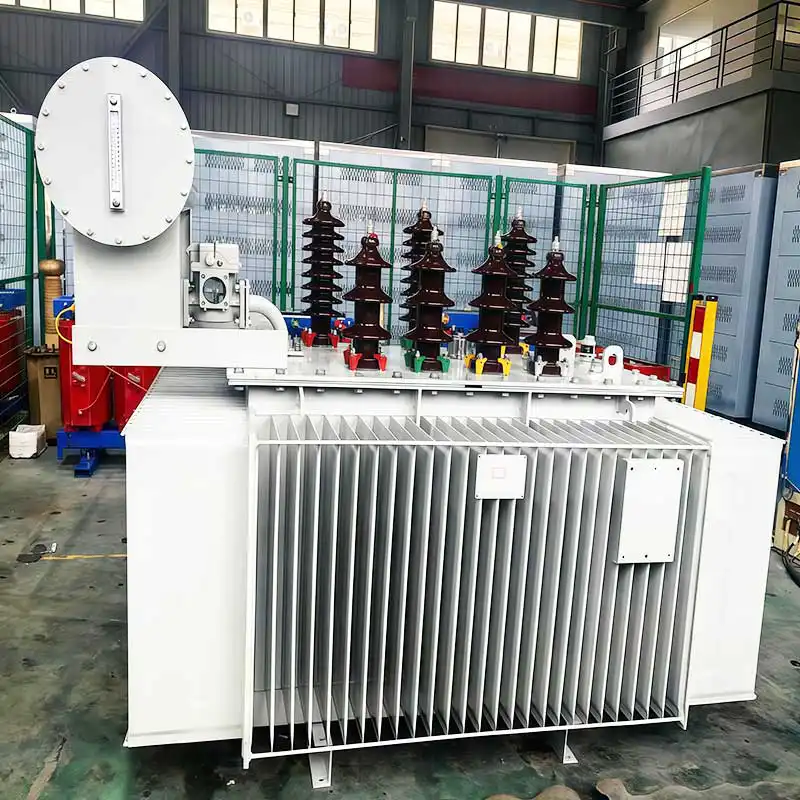
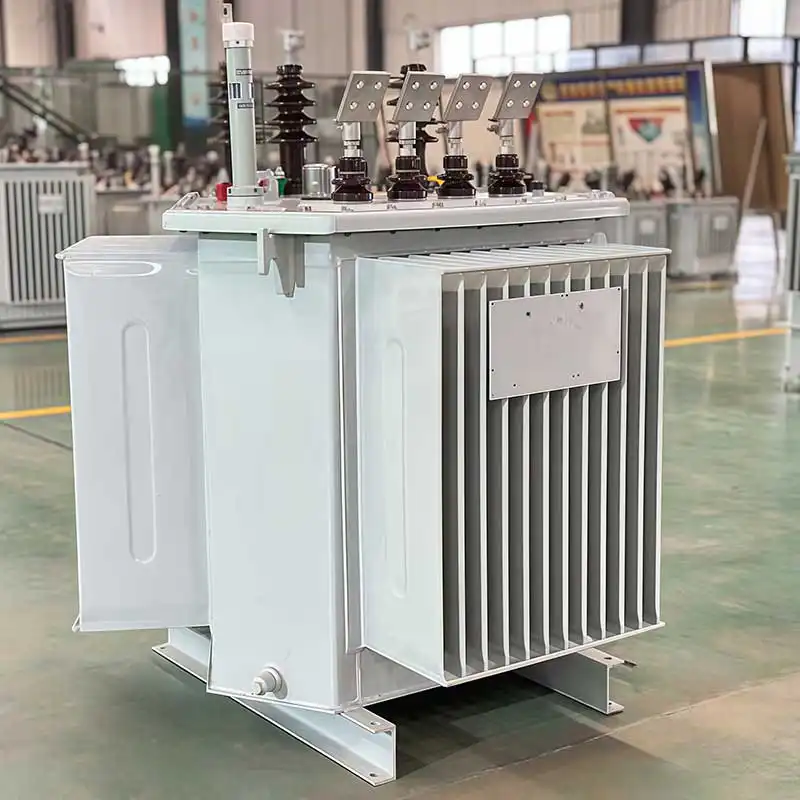
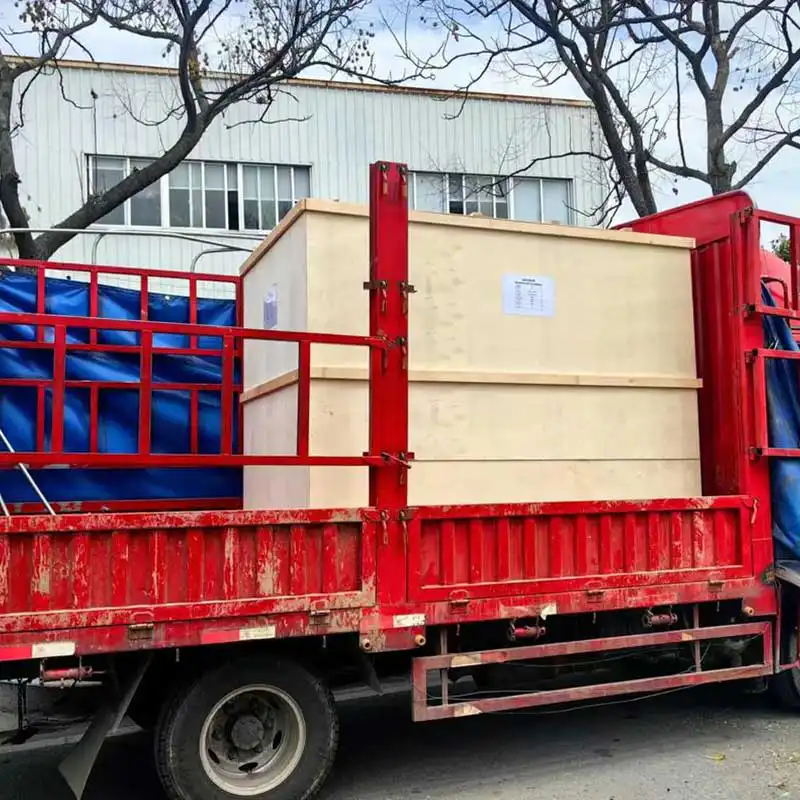
We have successfully manufactured and exported a new fleet of distribution transformers tailored specifically for the developing grid infrastructure in Zimbabwe.
The transformers feature a robust, corrugated tank design that maximizes the surface area for efficient ONAN cooling, ensuring the core and coils maintain optimal operating temperatures even under continuous heavy load.
What Is A Distribution Transformer?
A distribution transformer is a critical piece of electrical equipment that serves as the final voltage transformation point in the electric power grid. Its primary function is to step down the high-voltage electricity carried by utility transmission lines into a lower, safer voltage level that can be directly utilized by end consumers.
These transformers take electricity from medium-voltage distribution networks, typically ranging from 2.4 kV to 35 kV, and convert it into standard utilization voltages, such as 110V, 220V, 380V, required by residential homes, commercial buildings, and industrial facilities.
What Are The Common Applications Of Distribution Transformer?
Distribution transformers are the essential bridge between the high-voltage transmission grid and the end-user. Because they are responsible for safely stepping down voltage for local consumption, they are deployed in virtually every sector that requires reliable electricity.
Depending on the environment, capacity, and safety requirements, distribution transformers are commonly applied in the following areas:
Public Utilities & Power Grids:
This is the most common application. Utility companies use pole-mounted transformers for overhead distribution networks in rural and suburban areas, and pad-mounted transformers for underground distribution lines in modern neighborhoods and city grids.
Industrial Plants & Manufacturing Facilities:
Heavy industries such as steel mills, chemical plants, mining operations, and oil refineries require massive amounts of localized power to run heavy machinery, large motors, and conveyor systems. Rugged, oil-immersed distribution transformers are typically used here to handle high load fluctuations and harsh environmental conditions.
Renewable Energy Generation:
In green energy applications, specialized distribution transformers are used to connect solar farms and wind turbines to the grid. They must be custom-engineered to handle the unique harmonics, variable loads, and DC-to-AC conversions inherent in renewable energy systems.
Infrastructure & Transportation:
Distribution transformers provide the critical power required for railway networks, subway systems, airport terminals, and electric vehicle commercial charging stations, ensuring continuous and stable operation for public transit.
How Does A Distribution Transformer Work?
1. The High-Voltage Input (Primary Winding)
High-voltage electricity from the utility grid enters the transformer and flows through the primary winding. Because the current is alternating, it creates a constantly fluctuating magnetic field—or “magnetic flux”—around the coil.
2. The Magnetic Core (Flux Transfer)
This fluctuating magnetic field is captured and concentrated by the transformer’s core, which is typically made of highly permeable CRGO silicon steel. The core acts as a highly efficient pathway, directing the magnetic flux from the primary winding over to the secondary winding.
3. The Low-Voltage Output (Secondary Winding)
As the magnetic flux travels through the core, it passes through the secondary winding. This fluctuating magnetic field induces a new electrical voltage in this second coil.
4. The Turns Ratio (Stepping Down the Voltage)
The secret to stepping down the voltage lies in the number of wire wraps on each coil. The secondary winding has fewer turns of wire than the primary winding. Therefore, the voltage induced in the secondary coil is proportionally lower than the voltage in the primary coil, while the available current increases.
5. Insulation and Cooling
Because this electromagnetic process generates significant heat, the working components must be cooled and electrically insulated to prevent short circuits. In liquid-filled distribution transformers, the core and coils are submerged in highly refined mineral oil or eco-friendly ester fluids that absorb heat and circulate it to the outer cooling fins.